

Bring New Orleans to your kitchen with this tasty Shrimp Creole Recipe.
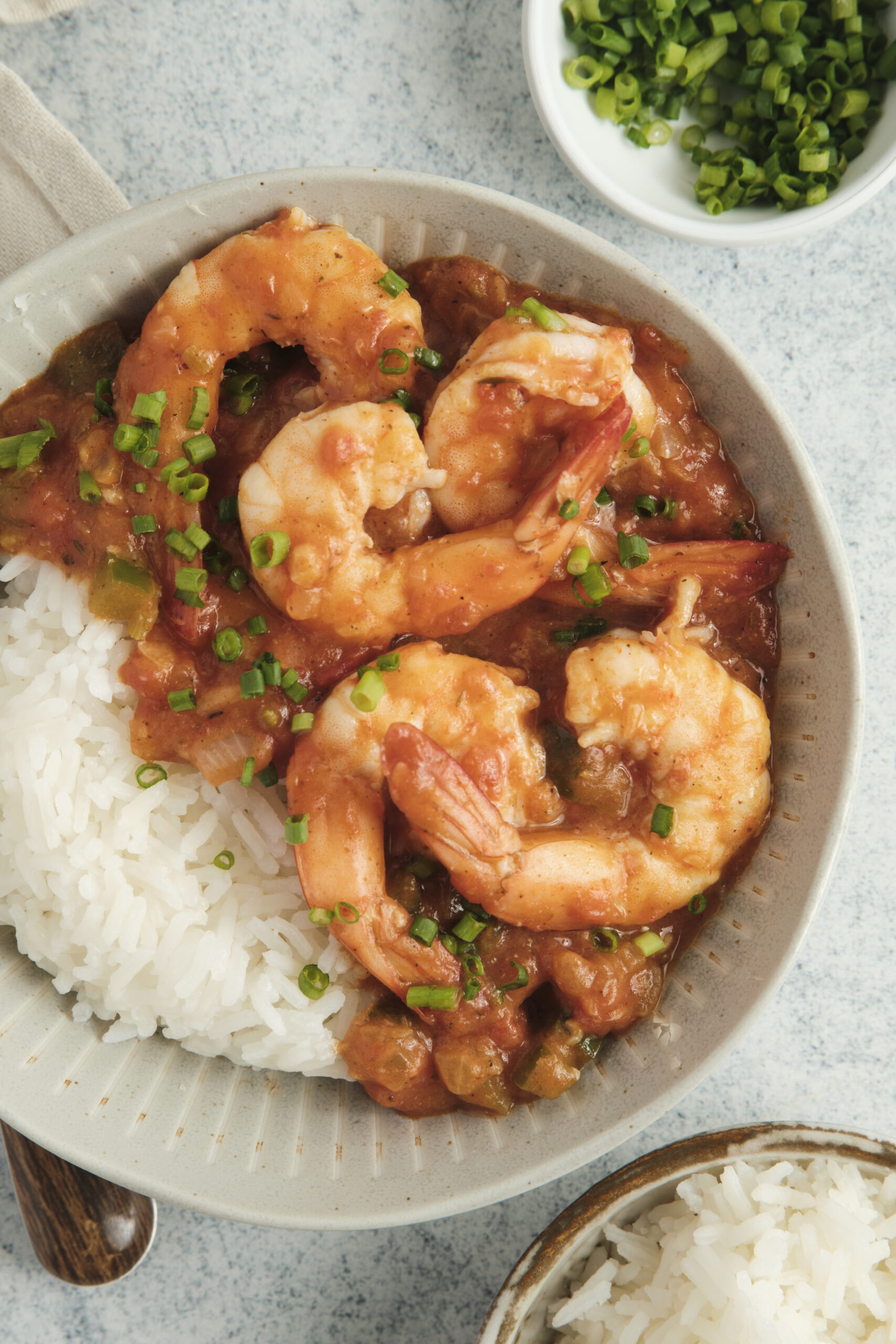
I’ll never forget the first time I had shrimp Creole. It was served over a bowl of grits on a food tour I took on a vacation years ago. I had never had grits before that either, and I was pleasantly surprised at how much I enjoyed them. This recipe takes me back to that time, and I’m reminded of how flavorful it can be. Because you add hot sauce to suit your tastes, the dish is as mild or as spicy as you like. I’m somewhere in the middle, so I add only a few drops. That way, everyone can spice it up as much as they like. You might also want to keep it on the milder side for younger children who are not ready for spicier foods.
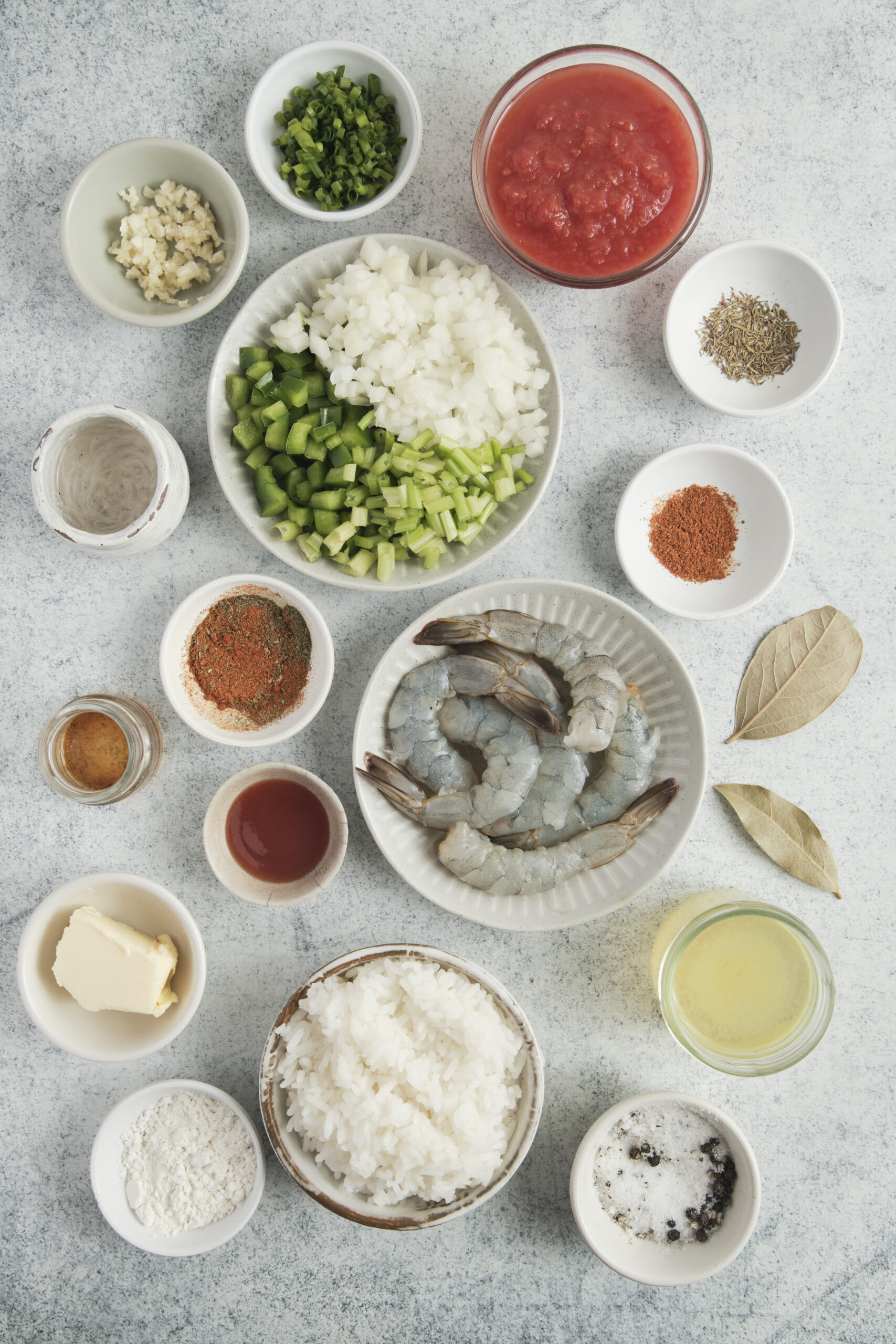
This recipe also calls for Creole seasoning, which you can buy at many grocery stores. It is different from Cajun seasoning, but not much. So, yes, if all you have is Cajun seasoning, you can use it, but it may slightly alter the dish’s flavor. Besides, every product is different.
You can also make your own by combining paprika, garlic powder, salt, and black pepper. Other ingredients can include dried thyme, oregano, basil, cayenne, onion powder, and white pepper. I found plenty of recipes online for seasoning blends like this, and I tend to make my own with the spices and herbs I already have on hand. If you do have Cajun seasoning in your spice rack, add a sprinkle or two of dried basil to the recipe, and you should be good to go.
Creole vs. Cajun: what’s the difference?
One thing I’ve learned from talking to Louisiana natives is that Creole and Cajun are not the same thing, and one shouldn’t be mistaken for the other. Upon hearing that, I had to ask about the difference between the two. That led to a lengthy conversation of culinary enlightenment. It turns out that we are talking not only about food styles but also about people. So, like I always do, I turned to the internet to do some additional research to supplement what my friends told me. That led to many hours of reading about the history of the Cajun and Creole peoples, dating back to the mid-18th century.
It is quite an interesting topic, and one worth reading about if you find yourself with some time on your hands. However, because this is a recipe site, I’m going to stick to the history of the different culinary styles. In many cases, the dishes overlap, but the ingredients and cooking styles may vary.
- Cajun food: The origin of Cajun cooking is associated with rural areas west of New Orleans, with French Canadian Acadian settlers who relied on what they could hunt, grow, and gather. Hence, the reference to being “country” food. The food features hearty, rustic, robust, and spicy flavors, but without the traditional use of tomatoes common in Creole cooking. Some popular Cajun dishes are étouffée, jambalaya, crawfish boil, boudin, and Cajun gumbo, which uses a roux of oil and flour.
- Creole food: Creole cooking, or “city” food, is most closely associated with New Orleans and blends flavors from many cultures, including African, Caribbean, French, and Spanish. There is a greater focus on seafood—shrimp, oysters, and crab—as well as on the richness of cream and butter, not to mention tomatoes. The food often features a variety of herbs and spices, providing a richer, more refined flavor. Popular Creole dishes include shrimp Creole, muffuletta sandwiches, po’boys, red beans and rice, beignets, and Creole gumbo, which is thickened with a roux made with butter and flour.
How do I store leftovers?
Allow leftover shrimp Creole to cool to room temperature, then refrigerate it in an airtight container for up to 3 days. Reheat it gently in a saucepan over medium-low heat until warm. Do not microwave the shrimp, as it can make them turn rubbery. You can also freeze the chilled leftovers in a freezer-safe container or zippered bag for up to 3 months. Defrost it overnight in the refrigerator before reheating.
Serving suggestions
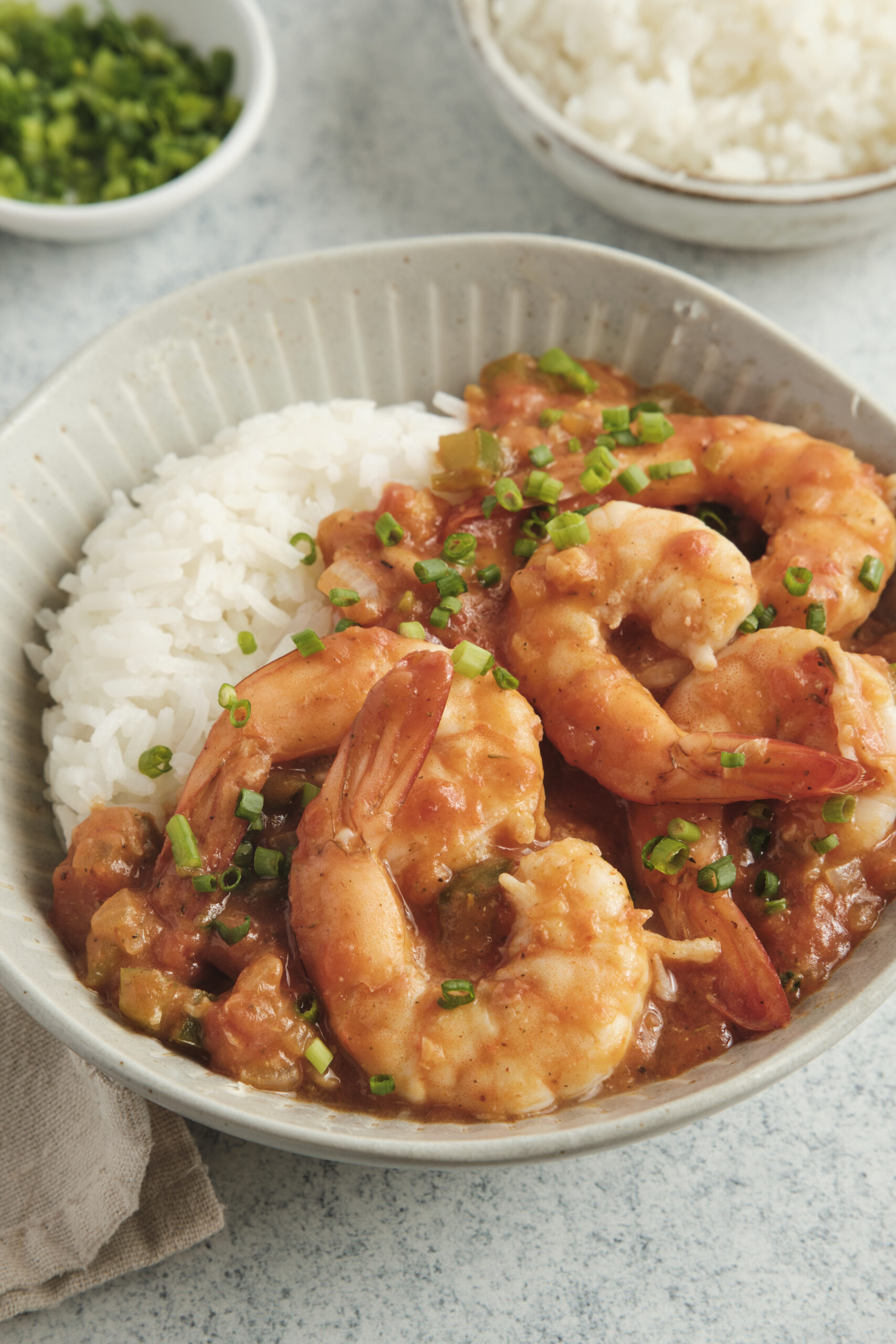
Aside from serving shrimp Creole over rice, you can also serve it with grits, quinoa, or pasta. If you want to get a bit fancier, serve it over this excellent Corn Rice, which also counts as a vegetable serving. A loaf of crusty bread on the side is great for soaking up that delicious sauce. Begin your meal with a simple tossed salad or even a Cucumber-Tomato Salad. Garlic Green Beans make for a tasty side dish. Plan ahead and make this Mint-Chocolate Chip Ice Cream Recipe for dessert, and you’ll have the perfect ending to a great meal.
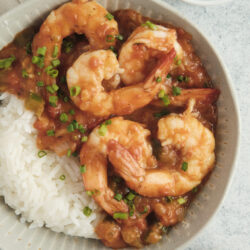
Shrimp Creole Recipe
Ingredients
- 1/4 cup butter
- 1 medium onion diced
- 1 rib celery diced
- 1 green bell pepper diced
- 3 cloves garlic minced
- Kosher salt to taste
- 1/2 teaspoon dried thyme
- 1/2 teaspoon black pepper
- 1/2 teaspoon cayenne pepper
- Creole seasoning to taste
- 1 tablespoon flour
- 1/4 cup dry white wine optional
- 1 can diced tomatoes (15 ounces)
- 1 cup chicken stock
- 1 teaspoon Worcestershire sauce
- 2 bay leaves
- Hot sauce to taste
- 2 pounds large uncooked shrimp peeled and deveined
- Cooked white rice for serving
- Chopped green onion for garnish
Instructions
- Melt the butter in a large skillet over medium heat. Add the diced onion, celery, bell pepper, and minced garlic. Sauté until the vegetables are soft, about 5 minutes.
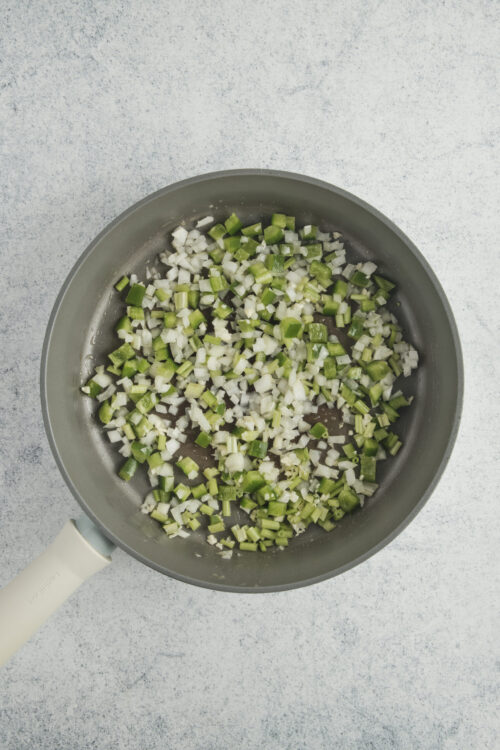

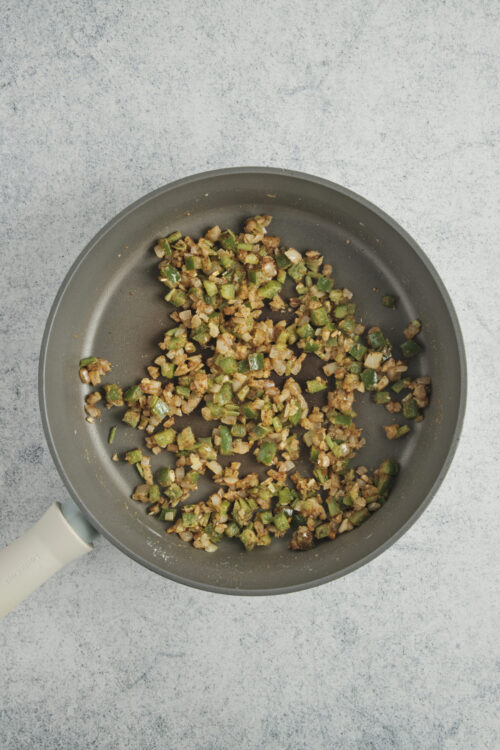
- Sprinkle in the salt, dried thyme, black pepper, cayenne pepper, Creole seasoning, and flour. Stir well and let it cook for 2 minutes.
- Pour in the white wine (if using) to deglaze the pan. Then add the diced tomatoes with their juice, chicken stock, Worcestershire sauce, bay leaves, and a dash of hot sauce. Bring the mixture to a simmer and let it cook for about 20 minutes, stirring occasionally. Adjust seasonings as needed.
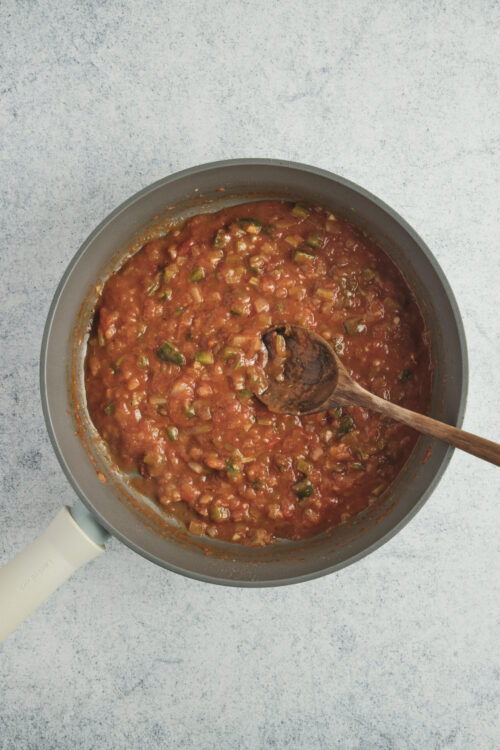
- Remove the bay leaves and add the shrimp. Cook for 3 to 4 minutes until the shrimp turn pink and are cooked through.
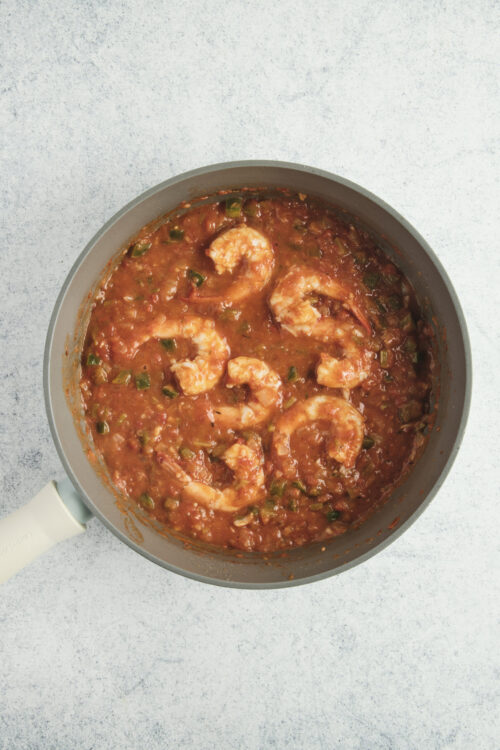
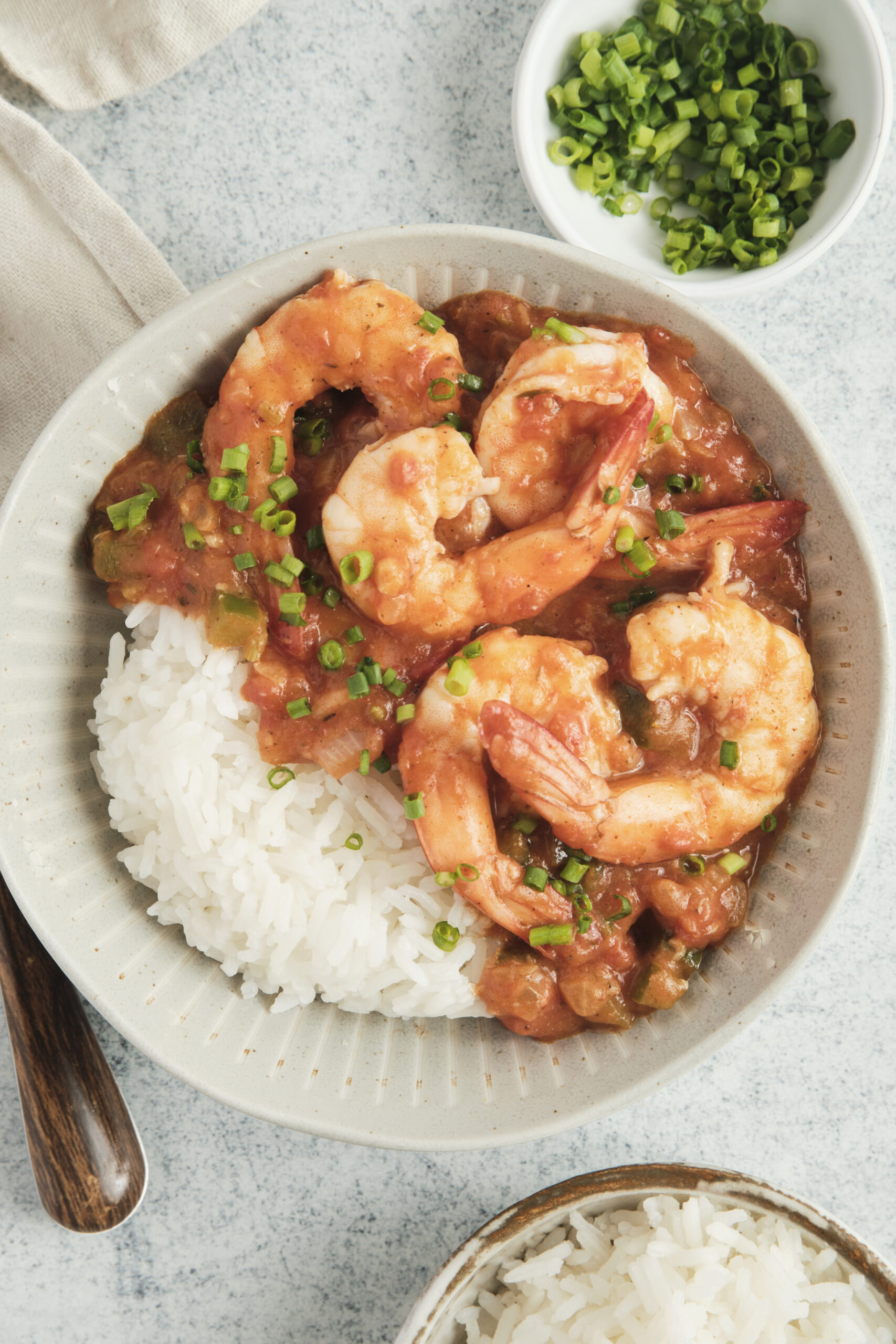
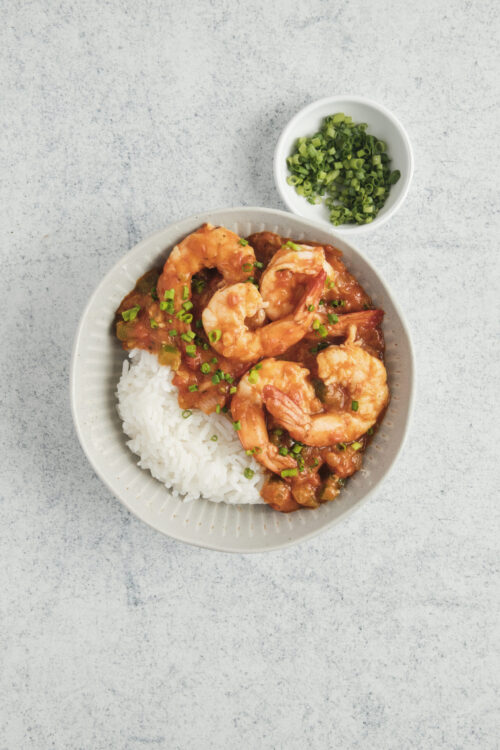
- Spoon the shrimp Creole over cooked white rice and garnish with chopped green onion. Serve hot.

Leave a Comment