

Broiled Salmon makes a beautiful statement on the table. It tastes even better, and you will want to make it often.
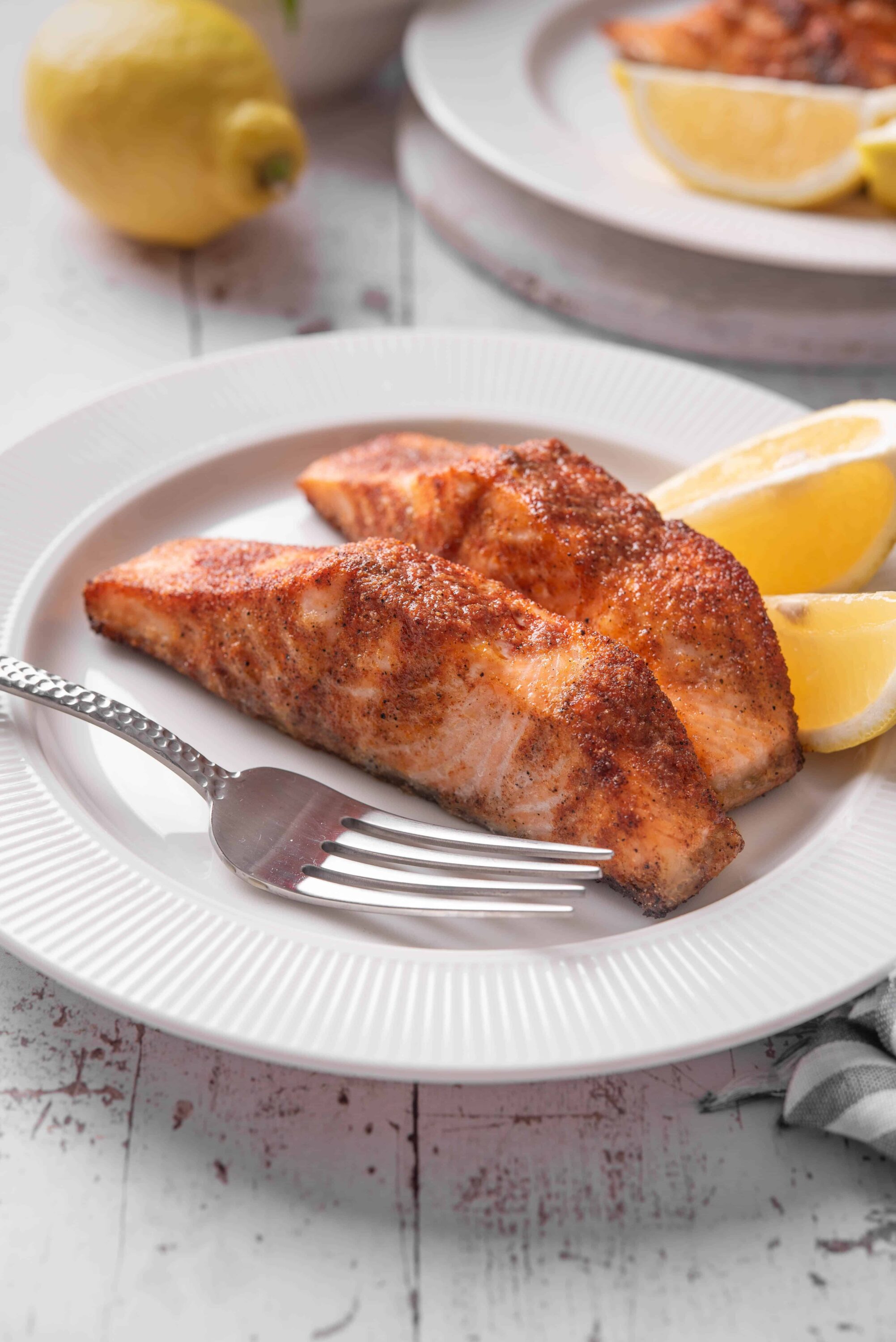
Salmon is a glorious fish, especially when broiled, and you get the beautiful caramelization on the top. There are many wonderful ways to prepare salmon, including grilling, air-frying, pan-searing, poaching, and baking. You can’t go wrong with any of them, as long as you keep an eye on your fish so you don’t overcook it. That’s the one thing you never want to do, as it will dry out.
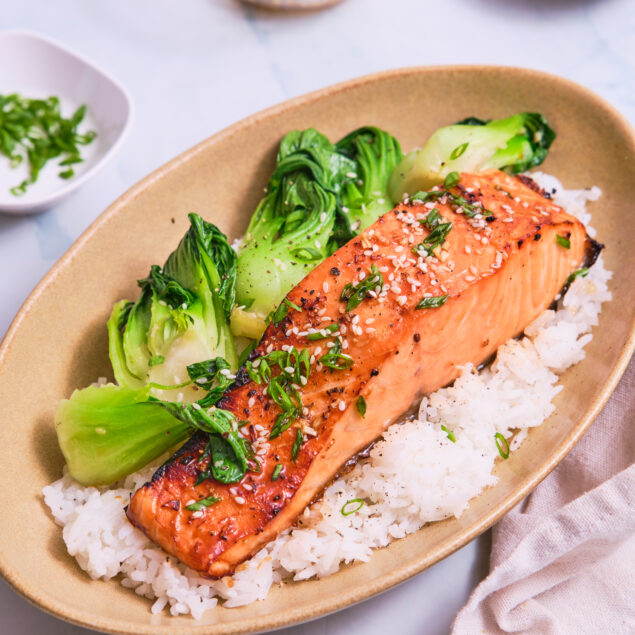
Broiling salmon allows you to do many exceptional things, including using a glaze (my favorite is teriyaki). The sugars caramelize so exquisitely that you may never cook your fish another way. I love the stickiness you get on the top.
Benefits of Broiling Salmon
Broiling salmon filets or steaks has many benefits, the first of which I mentioned at the start—producing a beautiful caramelization on the fish. It is also an extremely quick cooking method, and you can cook the top quickly when broiling for that delicious slightly-crisped texture while the inside remains nice and moist.
Another benefit of broiled salmon is that it is so easy. All you do is season the fish and pop it under the broiler. You don’t have to worry about spooning a sauce over the filets to keep them from drying out. And, because you are not poaching it in liquid, you do not have to worry about any nutrients leaching out of the fish.
How Long to Broil Salmon to Your Liking
Broiled salmon has varying degrees of doneness based on personal preference. If you like your salmon medium-rare or medium, which is still nice and juicy inside, start checking at 6 minutes to see if it is done to your preference. The fish will continue to cook to a few more degrees after you remove it from the oven, so keep that in mind when checking the degree of doneness. Medium rare is between 110˚F and 125˚F on a thermometer. Anything below that is still considered raw. If you like raw salmon, sear it in a pan or grill.
I like my fish medium, where it is flaky but without the clumping of albumen on the outside. Albumen forms in white clumps when the fish’s temperature is around 140˚F, although it sometimes forms sooner. When the albumen is visible, you need to remove your salmon from the oven right away. It is done! Do not cook salmon above 140˚F (which will have a resting temperature of 145˚F or above. This is considered well-done)—it will likely be dry. Depending on the thickness, it takes 7 to 10 minutes for a one-inch-thick piece of fish. The thinner the filet, the faster it will be done. If your filets are of different thicknesses, separate the thinner ends so you can remove them from the oven once ready.
How to Make Ahead and Store
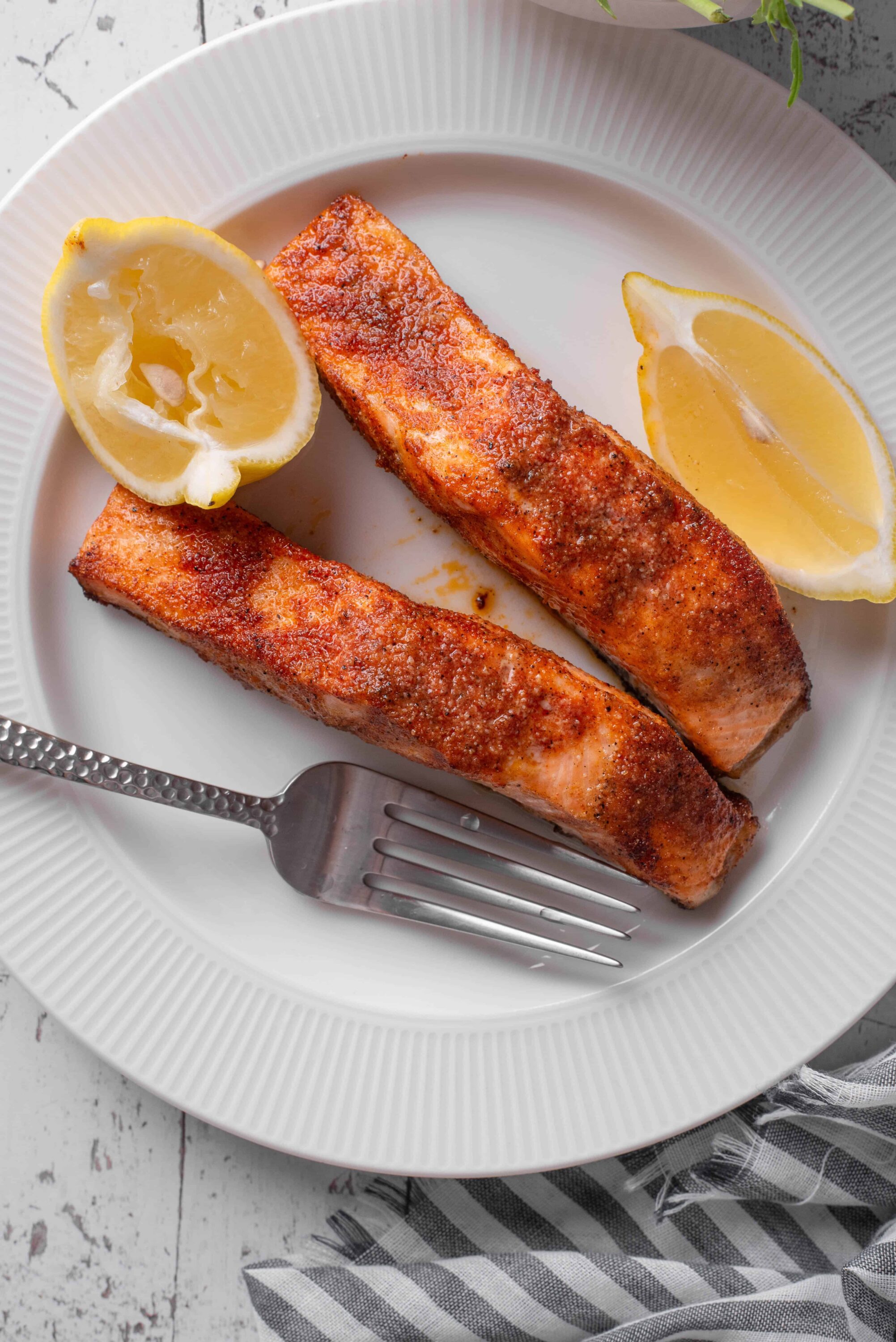
When broiling salmon for dinner, make it 10 minutes before serving for the freshest taste. You can cook it ahead of time and store it in the refrigerator in an airtight container for up to 4 days. Cooked salmon can be frozen for up to 3 months when wrapped well and placed in a freezer-safe container. Thaw it overnight in the fridge before serving.
Serving Suggestions
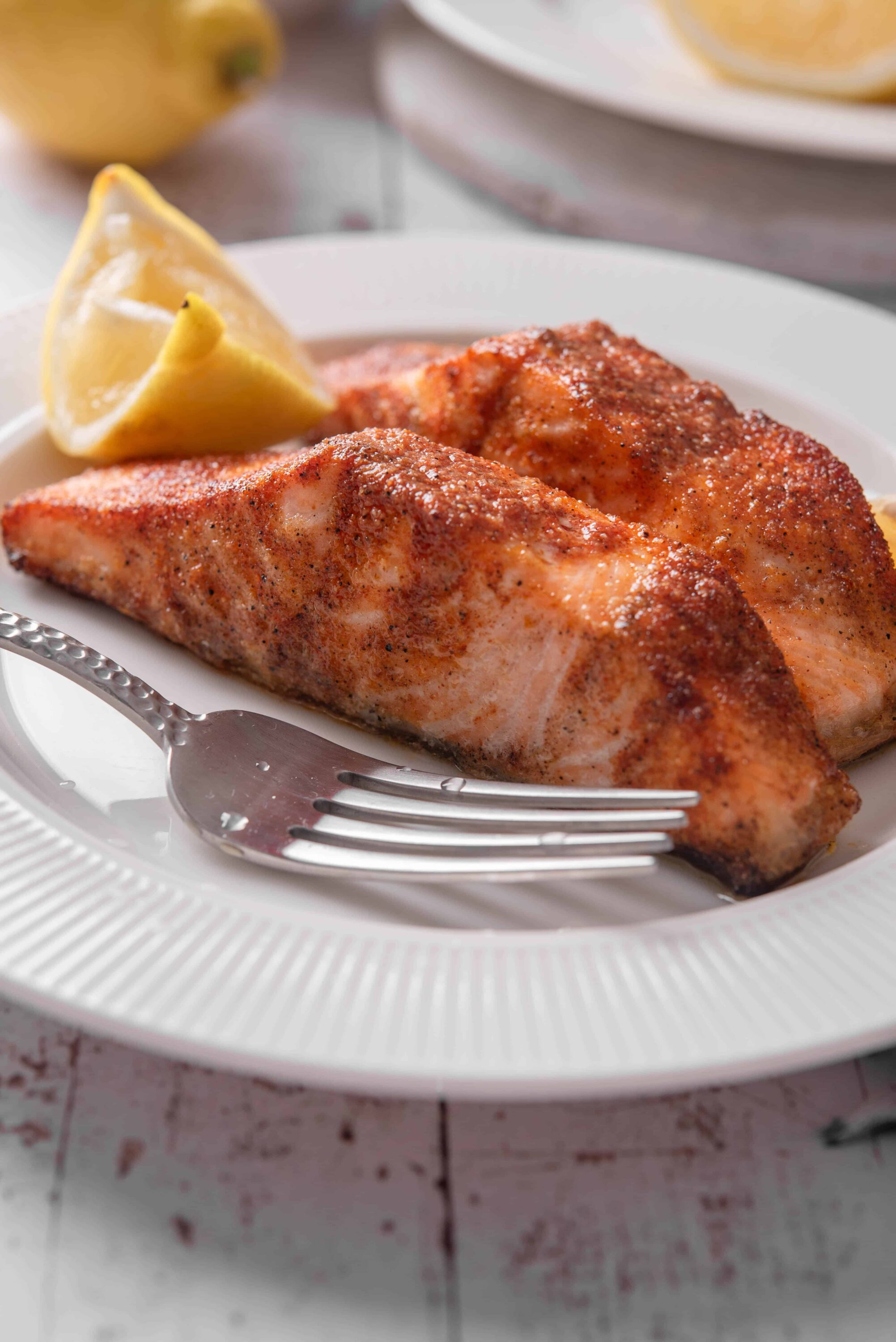
Broiled salmon goes great with anything you want to serve alongside it. A nice summertime meal can include this Creamy Pasta Salad or Greek Pasta Salad. If you want to combine veggies and pasta for a hearty meal, serve your fish with Baked Broccoli Mac and Cheese for a well-balanced dinner.
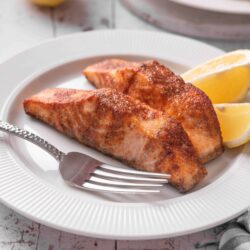
Broiled Salmon

Ingredients
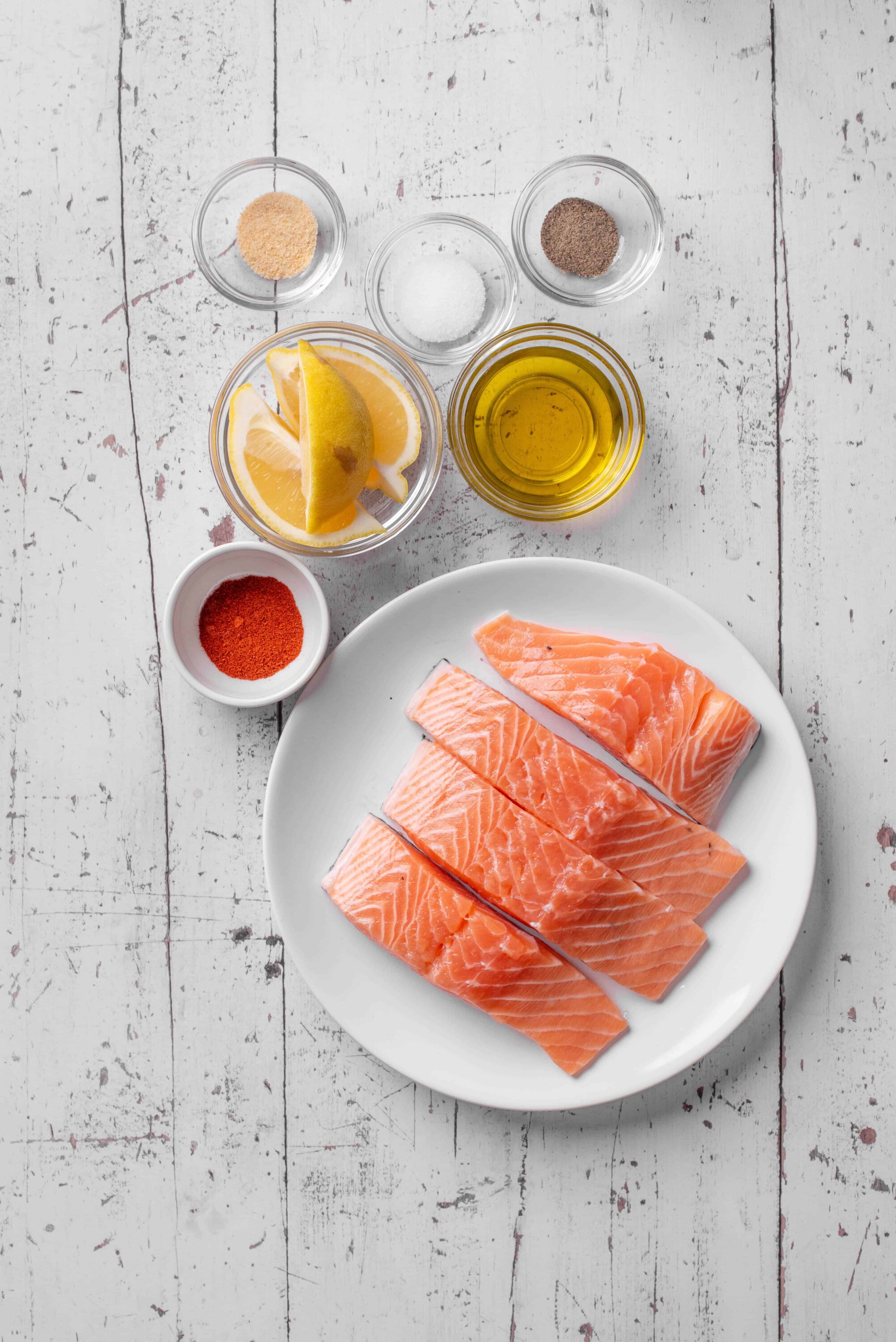
- 4 salmon fillets 6 ounces each
- 2 tablespoons olive oil
- 1 teaspoon sea salt
- 1/2 teaspoon black pepper
- 1/2 teaspoon garlic powder
- 1/2 teaspoon paprika
- Lemon wedges for serving
Instructions
- Preheat the broiler and set the oven rack about 6 inches from the heat source.
- Line a baking sheet with aluminum foil for easy cleanup.
- Place the salmon fillets on the prepared baking sheet, skin side down.
- Brush each fillet with olive oil.
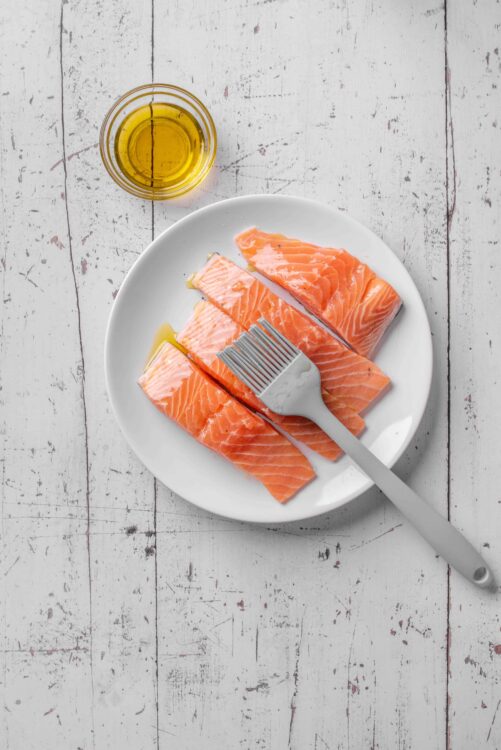
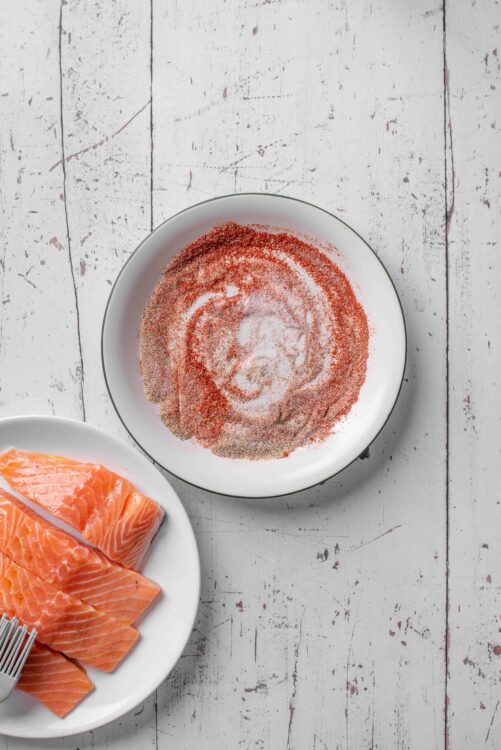
- In a small bowl, mix together sea salt, black pepper, garlic powder, and paprika. Sprinkle this seasoning mix evenly over the salmon fillets.
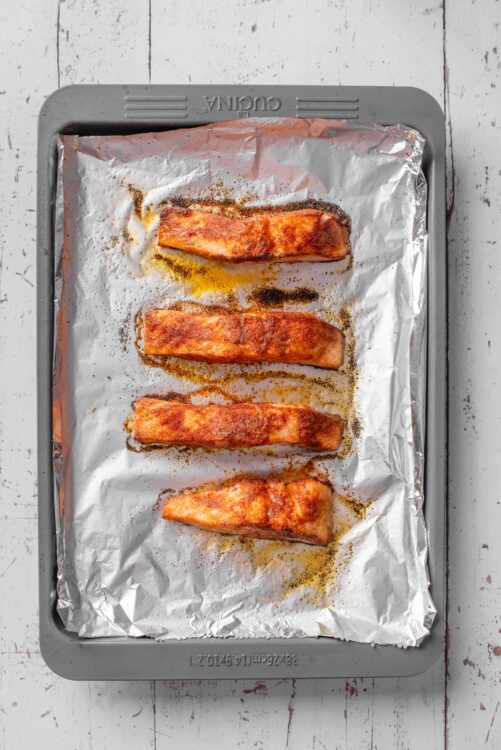
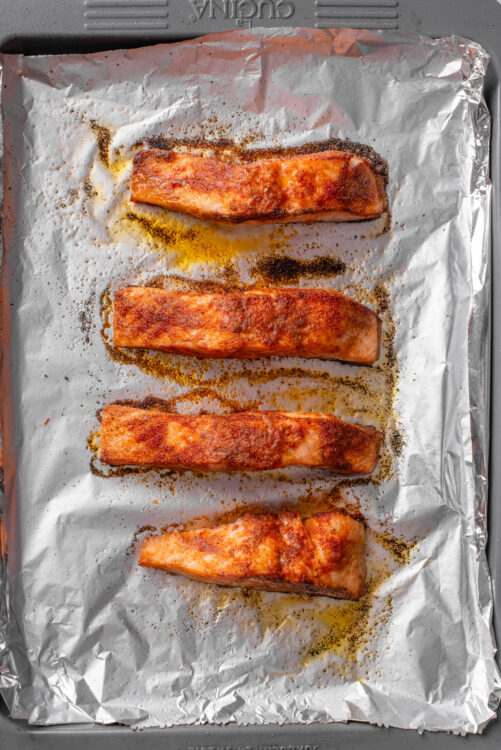
- Broil the salmon for 10 minutes, or until the fillets are golden brown on top and flake easily with a fork. Adjust the time based on the thickness of the fillets and your preferred doneness.
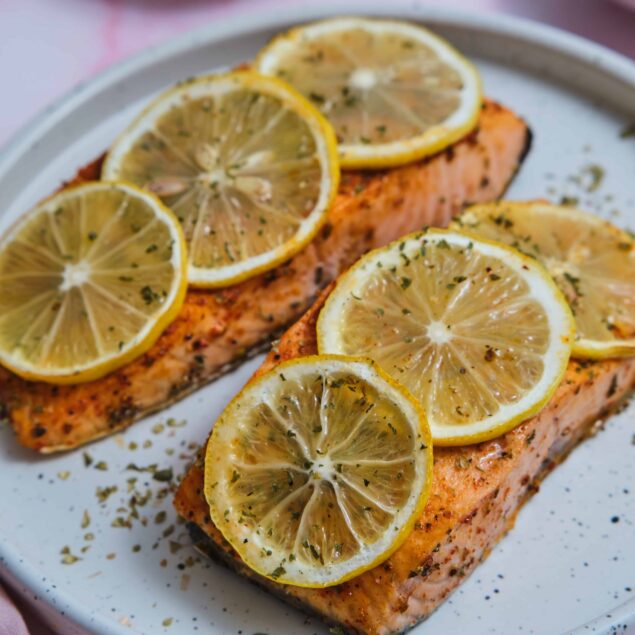
- Serve the broiled salmon with fresh lemon wedges for squeezing over the fish.

Leave a Comment