

This tasty Artisan Bread Recipe is easy to make, vegan-friendly, and requires little hands-on work. No kneading needed!
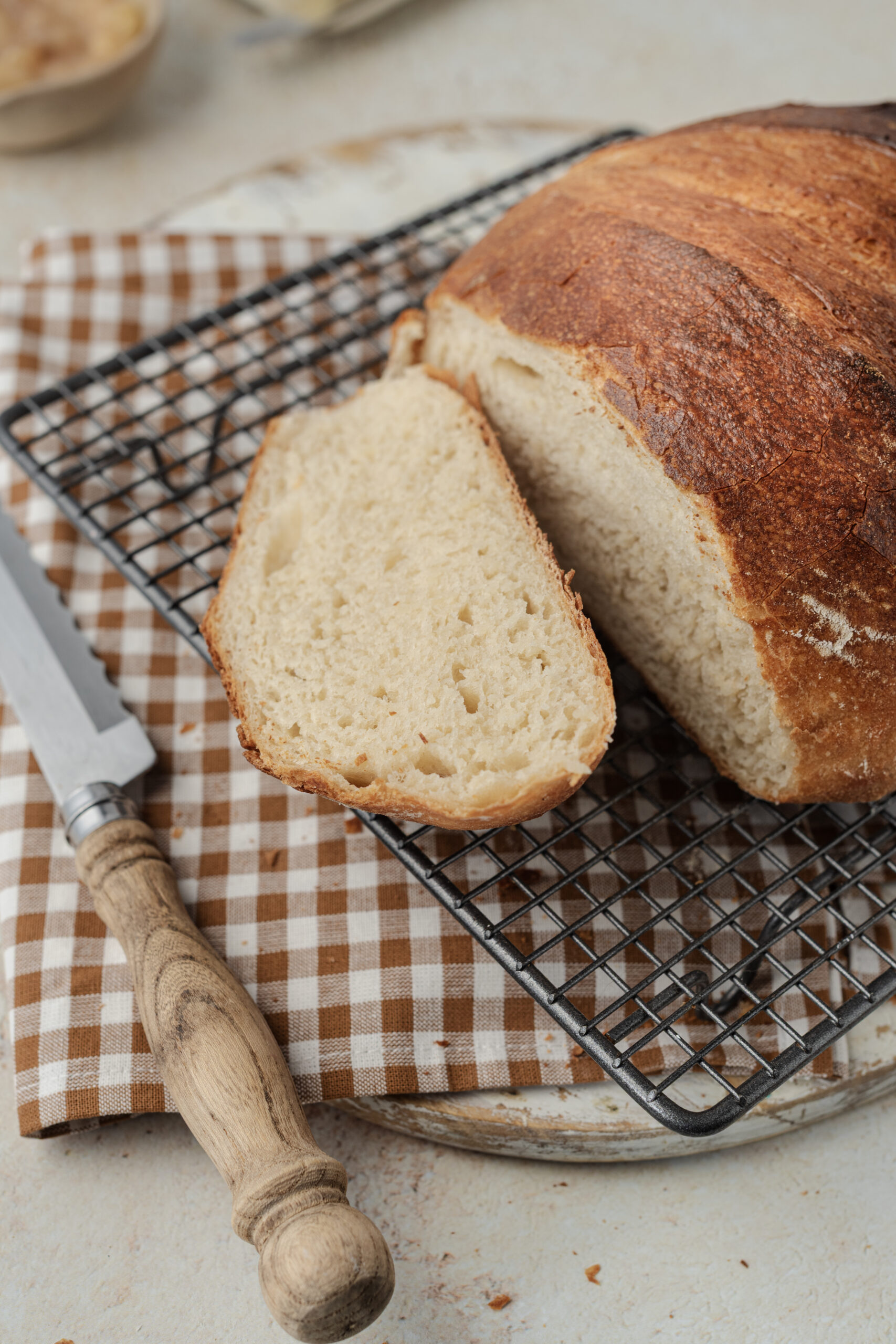
I missed the boat in 2020 when everyone was obsessed with making sourdough bread. As an established home chef, I had nothing to prove and a new baby at home. That baby, my now six-year-old Madison, had severe food allergies to eggs, dairy, tree nuts, and soy. These allergies made it challenging to find meals the whole family could enjoy. Once she was eating solids, my favorite recipes dwindled to just a few. I began searching for homemade foods we could all share without worry. This artisan bread became a favorite and was simple for a busy mom.
Artisan means crafted by hand, usually in a small batch. Bread throughout history—from ancient Egypt and Rome until the modern age of bread-makers—was always considered artisanal. In the 1990s, about one in five homes in the United States had an automatic bread maker. Nowadays, it often feels as though only fine restaurants and bakeries offer artisan bread. However, making it yourself is simpler than you might expect.
How easy is it? You mix a few ingredients with water, let them rise, then shape, bake, and enjoy. No kneading required. The taste and texture are unbelievable, especially given how little effort it requires. This homemade artisan bread reminds me of the bread from my favorite Italian restaurant on the Upper East Side of Manhattan. I enjoy it with a bit of flaky sea salt and my nicest olive oil, which soaks into the chewy nooks of the airy bread. It is great at any time of day, even just popping into the kitchen to take a bite.
The right ingredients
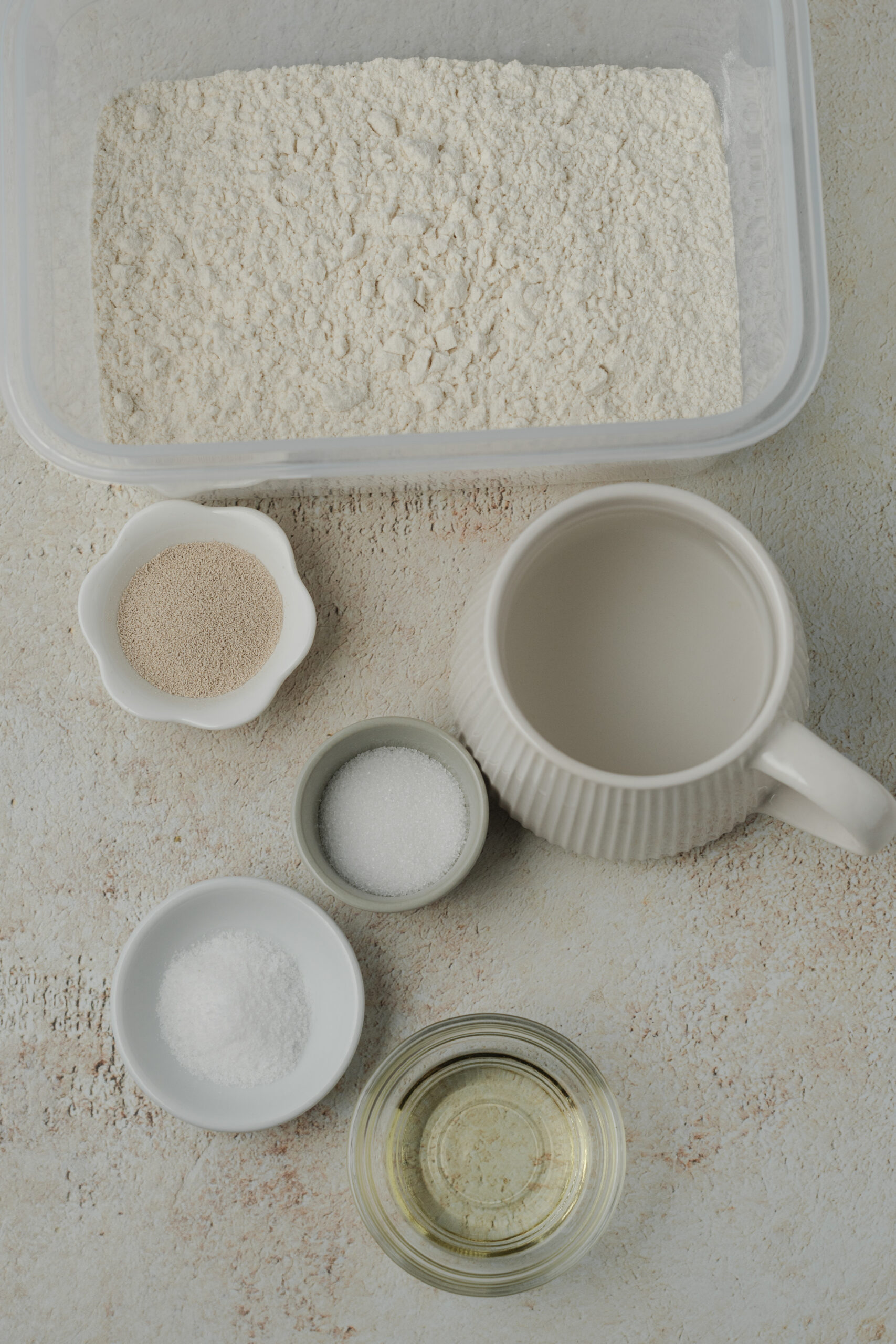
I love exploring substitutions for recipes, sometimes intentionally, other times because I am simply out of an ingredient. However, with this artisan bread, we don’t have much leeway. Luckily, there are only a handful of ingredients, and nothing is exotic or hard to find.
Flour: This artisan bread recipe calls for bread flour, which gives us a chewy, rich texture, more bubbles, and an ideal, crispy crust. If you’re in a pinch, you can totally use all-purpose flour, but it will result in a softer interior and a thinner, lighter crust. I do not recommend using bleached, pastry, or cake flour.
Yeast: For this artisan bread recipe, I use instant yeast because it is easier to work with. However, you can swap instant yeast for active dry yeast in equal amounts if needed. The main difference is that you need to mix active dry yeast with warm water before adding it to the other ingredients. This step is called proofing.
No matter what you use, be sure to measure correctly and be patient with the process.
How do I store leftovers?
Your artisan bread can be stored at room temperature for up to 5 days in a paper bag or a linen bread bag. Be sure the bread is fully cooled before storing, and do not refrigerate. You can freeze your artisan bread for up to 3 months.
Serving suggestions
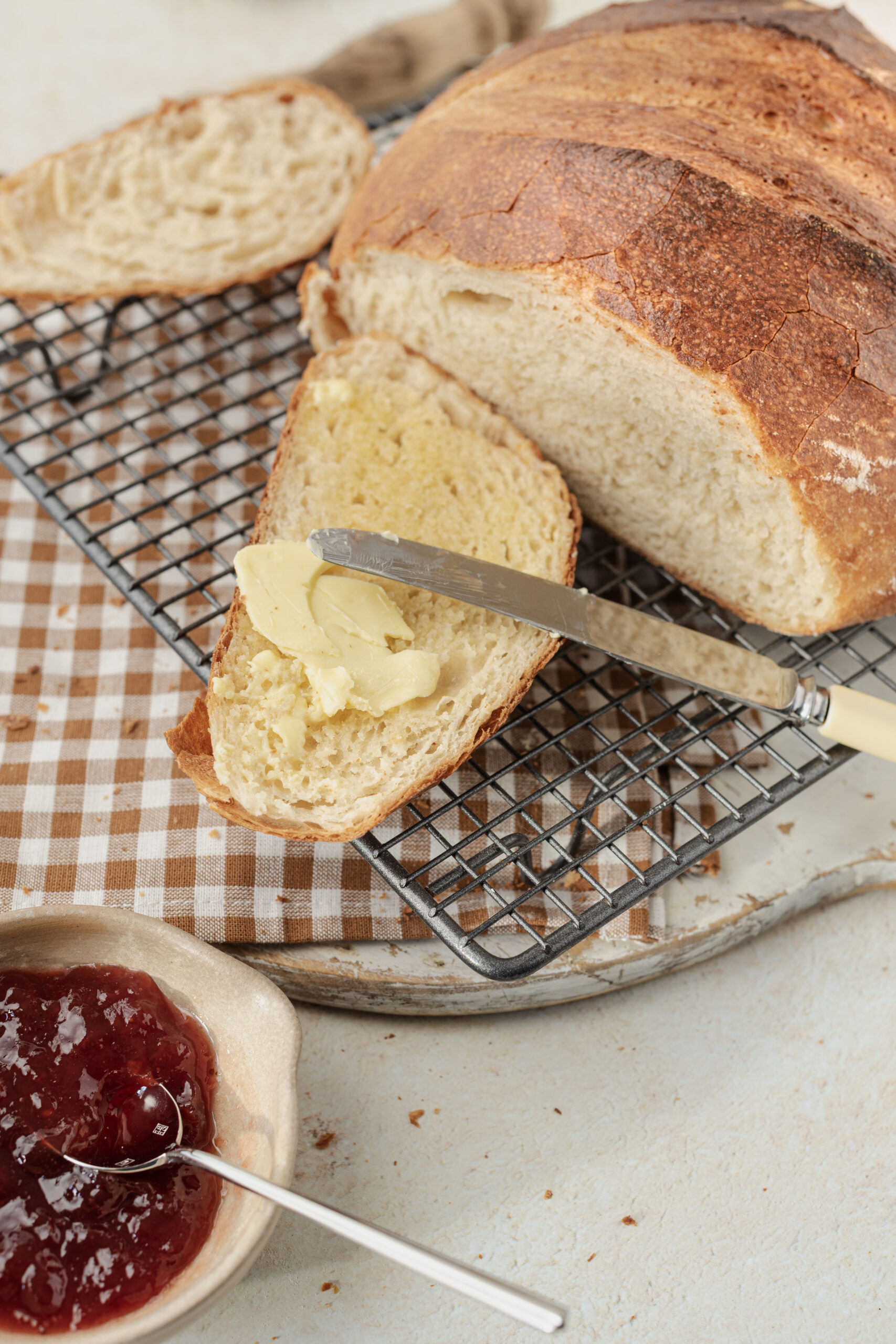
As I said, I sometimes just pop into my kitchen, break off a bite of bread, and enjoy it as is. However, I highly recommend slathering it with room-temperature salted butter or with this easy Garlic Butter. It is also perfect with any traditional Italian dish, soaking up tomato or Alfredo Sauce. Try it with Shrimp Marinara, this rich Homemade Bolognese, or our Tomato Sauce Recipe. On the flip side, serve your artisan bread for breakfast or brunch. Try a fruity jam or use it to soak up the yolks and sauce in this Shakshuka Recipe or with Eggs In Purgatory.
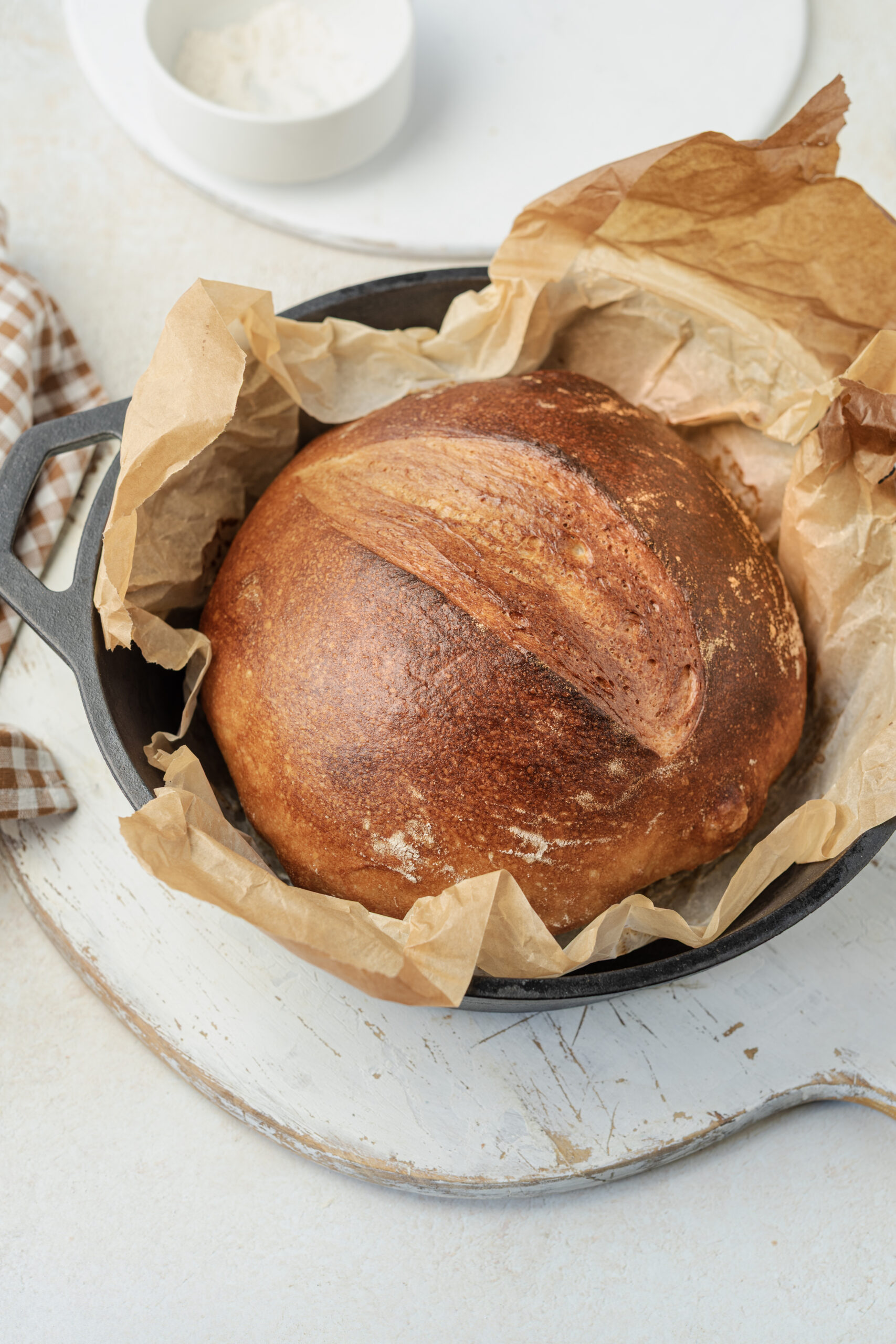
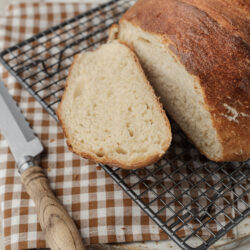
Artisan Bread Recipe

Ingredients
- 3 1/2 cups bread flour plus extra for dusting
- 2 1/4 teaspoons instant yeast
- 2 teaspoons granulated sugar
- 1 1/4 teaspoons salt
- 1 tablespoon olive oil
- 1 1/2 cups warm water about 115°F
Instructions
- In a large bowl, whisk together the bread flour, instant yeast, sugar, and salt.
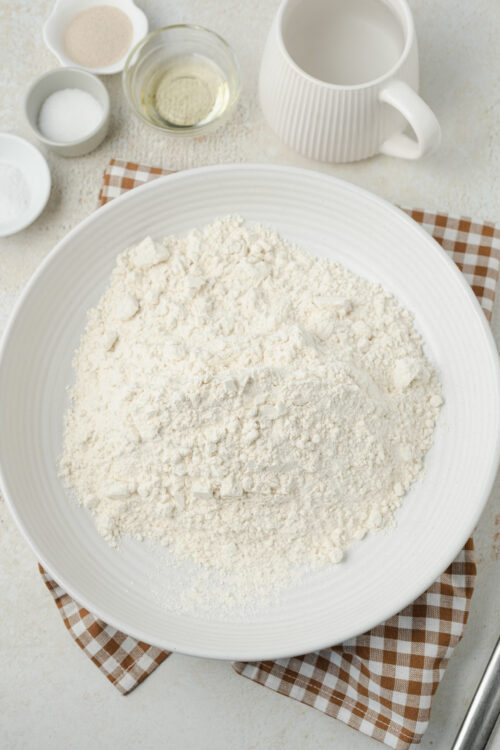
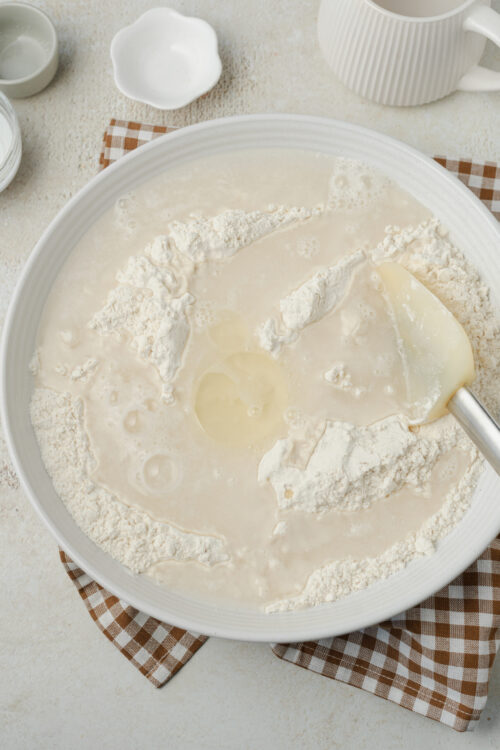
- Pour in the oil and warm water, and stir until all the flour is moistened. The dough will be sticky.
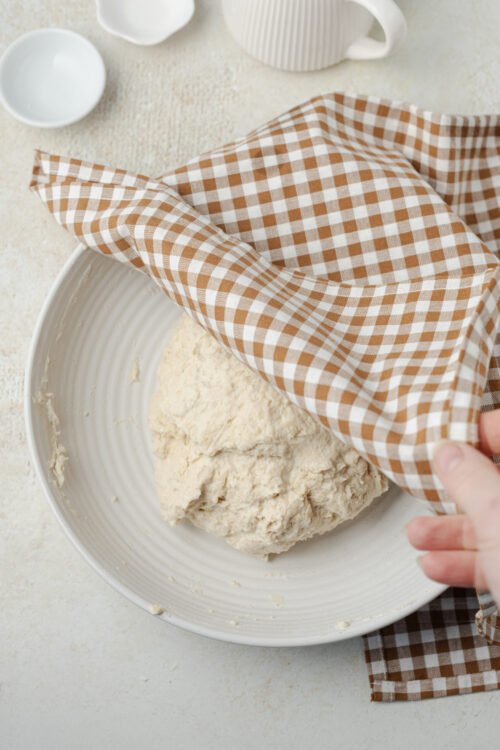
- Cover the bowl with plastic wrap or a damp, clean kitchen towel, and set it in a warm area for 2 to 3 hours until the dough doubles in size.
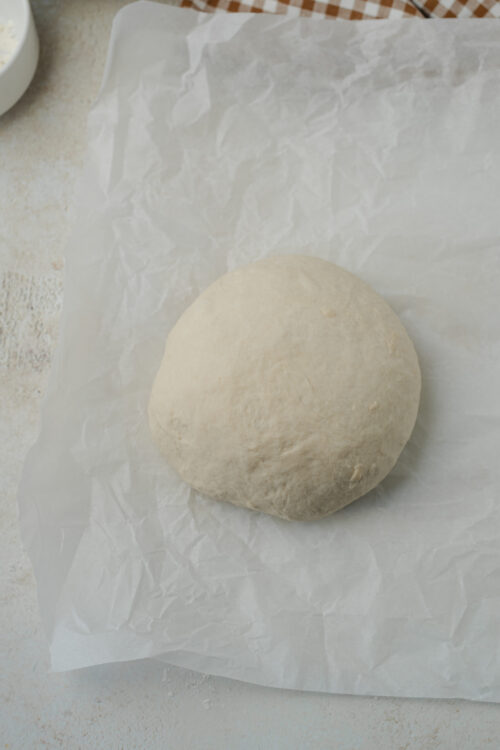
- Turn the dough onto a lightly floured surface and gently form it into a round loaf. Place the shaped dough on a piece of parchment paper.
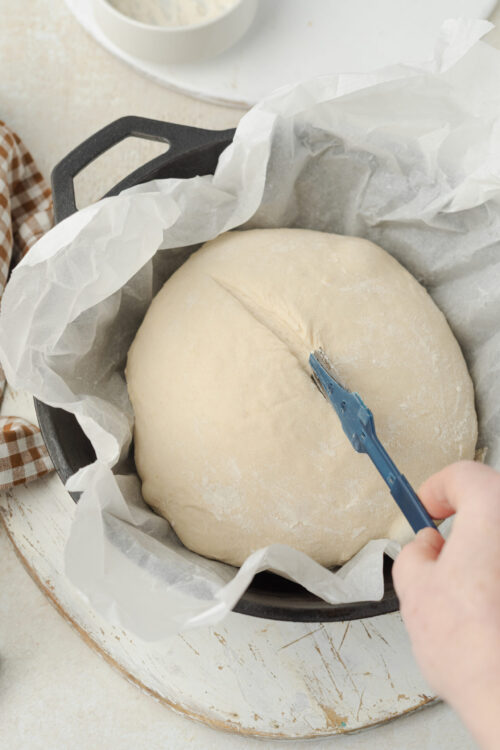
- Preheat your oven to 450°F with a Dutch oven inside. Once heated, carefully transfer the dough along with the parchment paper into the Dutch oven. Use a sharp knife or bread lame to score the top of the dough, cover with the lid, and bake for 30 minutes.
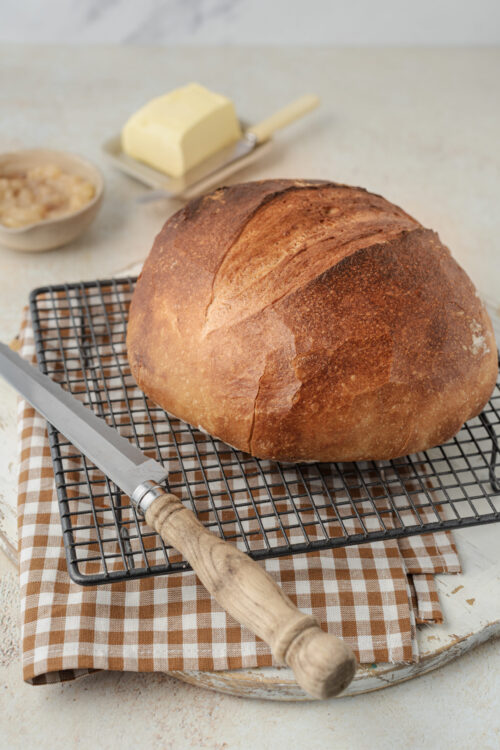
- Remove the lid and bake for another 10 minutes or until the crust is golden brown and it sounds hollow when you tap the bottom. Remove from the oven and let cool on a wire rack for at least 20 minutes before slicing.

Leave a Comment