

If you are unfamiliar with the classic Italian dish Pasta alla Gricia, now is the time to discover this simple yet amazingly delicious meal.
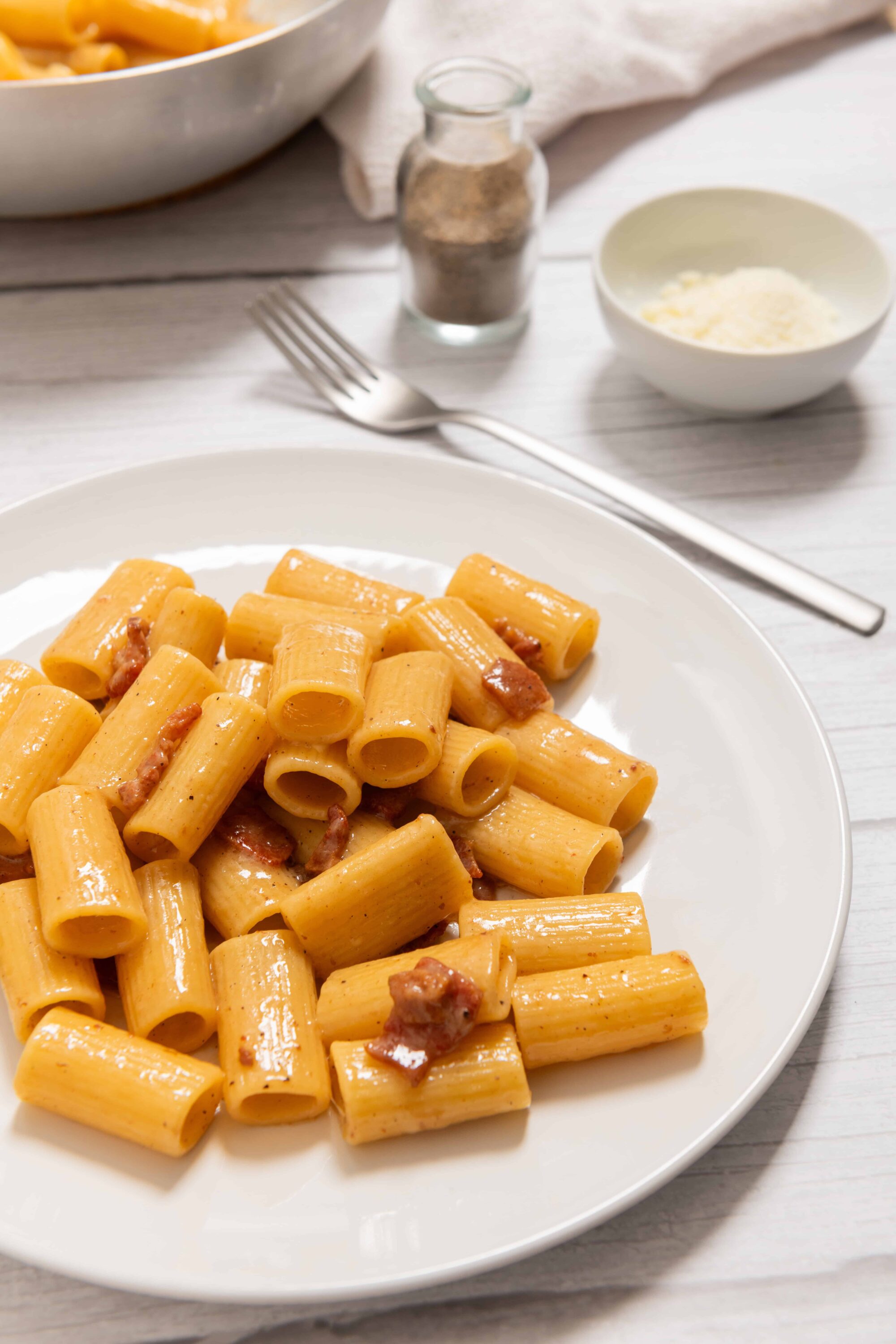
Alfredo, carbonara, cacio e pepe, amatriciana, and alla gricia – these are the classic Italian dishes everyone should know. I recently posted a carbonara recipe, and you will notice the similarities between these two dishes. The primary difference is that carbonara uses eggs, and pasta alla gricia does not. You still cook the guanciale and use its rendered fat to flavor this salty, savory dish. Unlike its creamy, eggy cousin, the guanciale and pecorino are the focus of this dish.
I can’t help myself when it comes to Italian cuisine. It is my favorite. Since going gluten-free, I have discovered the joys of visiting Italy the past two winters to dine on GF pasta and pizza, and I will definitely go back this year. Italian food never disappoints, and with recipes as good as this one, you can bring the flavors of Italy home any time you desire.
What Is Guanciale?
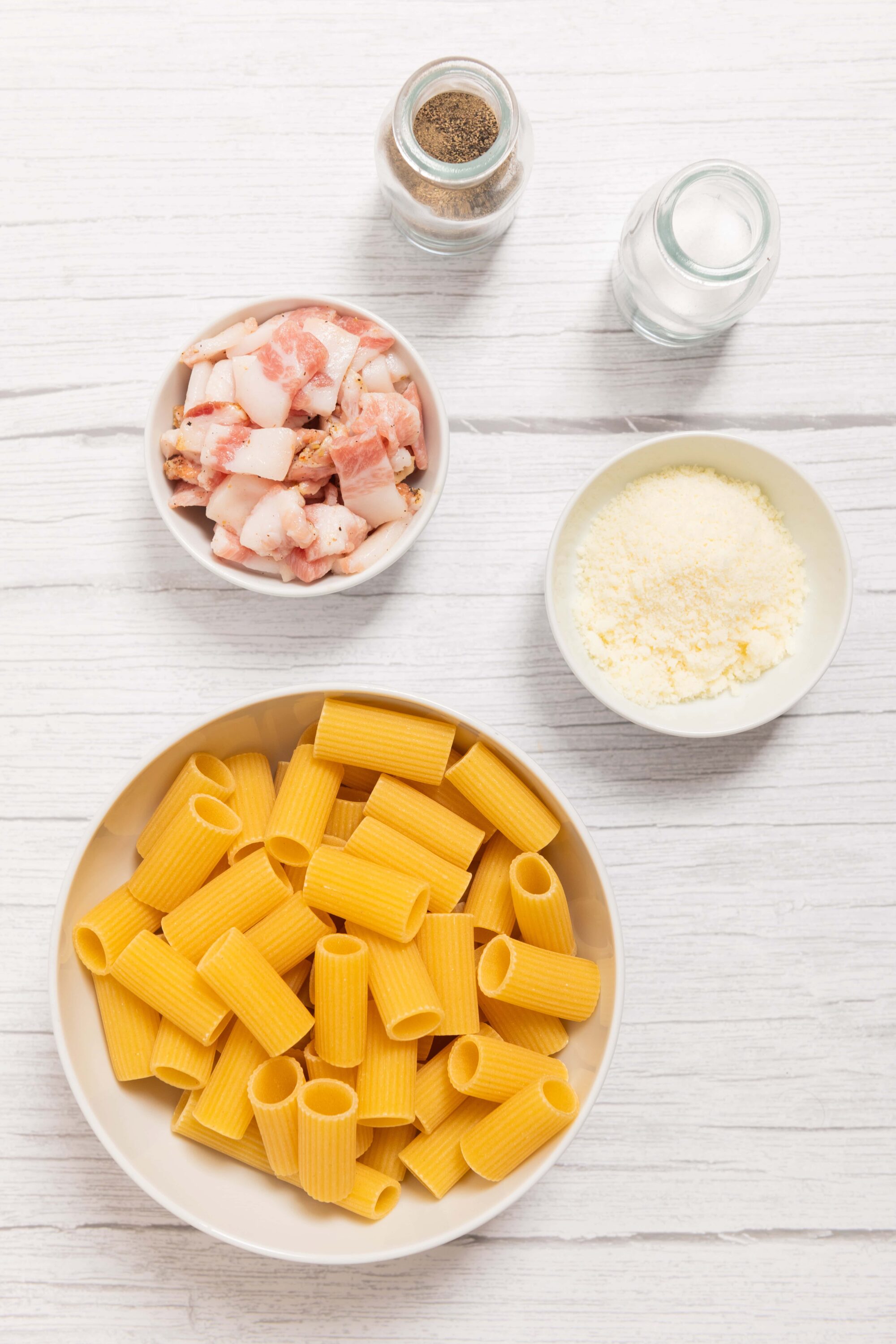
Guanciale is cured pork cheek (jowl). It is a highly fatty cut of pork that imparts exceptional flavor into a dish once rendered in a sauté pan. When paired with pecorino cheese and high-quality pasta, you get a dish that brings layers of flavor with only a few ingredients.
Count yourself among the many people who have enjoyed this dish for over a thousand years. When something is that good, it sticks around forever. One bite will let you know you have uncovered the secret to unbelievable flavor.
How to Make the Perfect Pasta alla Gricia
When making pasta alla gricia, there are a few things to remember. Salting the pasta water is essential – do not skip this step. Adding salt to your pasta water infuses the pasta with flavor right from the start. Use the best pasta you can find – or afford – for this dish. When dealing with so few ingredients, splurging a bit can take your meal to the next level. Only cook the pasta until it is al dente – do not overcook it, as it will become mushy. You want it to be tender yet firm to the bite, especially since it continues cooking in the sauce. Rigatoni and similar shapes work best for this dish. Remember to keep a cup of pasta water before draining; you will use some of that in the sauce.
The guanciale should be cut into thick, bite-sized pieces, remembering that they shrink while cooking. You will be left with quite a bit of fat, which you want to coat the pasta. If you can’t find guanciale, thick-slab fatty bacon or pancetta (pork belly) will work. Finally, grate your cheese by hand instead of purchasing pre-grated cheese, as it will melt better into the dish. For this recipe, use a microplane or box grater (the smallest setting) when grating cheese.
How to Make Ahead and Store
As with carbonara, pasta alla gricia is best consumed immediately after preparation. It does not store well and should never be frozen. If you have leftovers, use them within a day or two and add a little water while stirring continuously on the stove.
Serving Suggestions
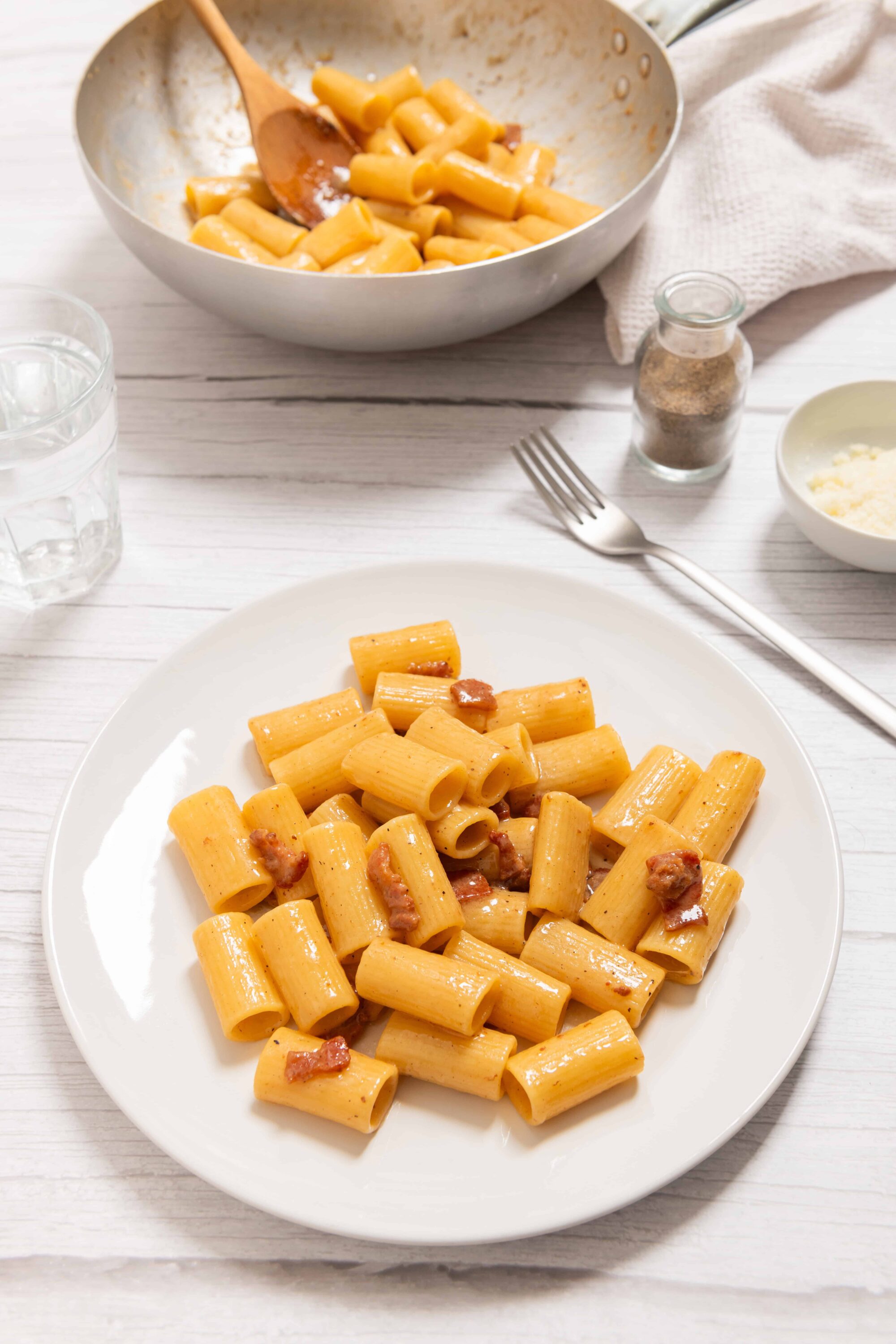
Begin your meal with a nice antipasto or Delicious Italian Chopped Salad before bringing the pasta alla gricia to the table or enjoy it on the side. Some Roasted Green Beans and Mushrooms with Balsamic are an excellent side dish, especially when using high-quality Italian balsamic vinegar. Serve a platter of White Chocolate Macadamia Nut Cookies for dessert, and you have the makings of a wonderful meal.
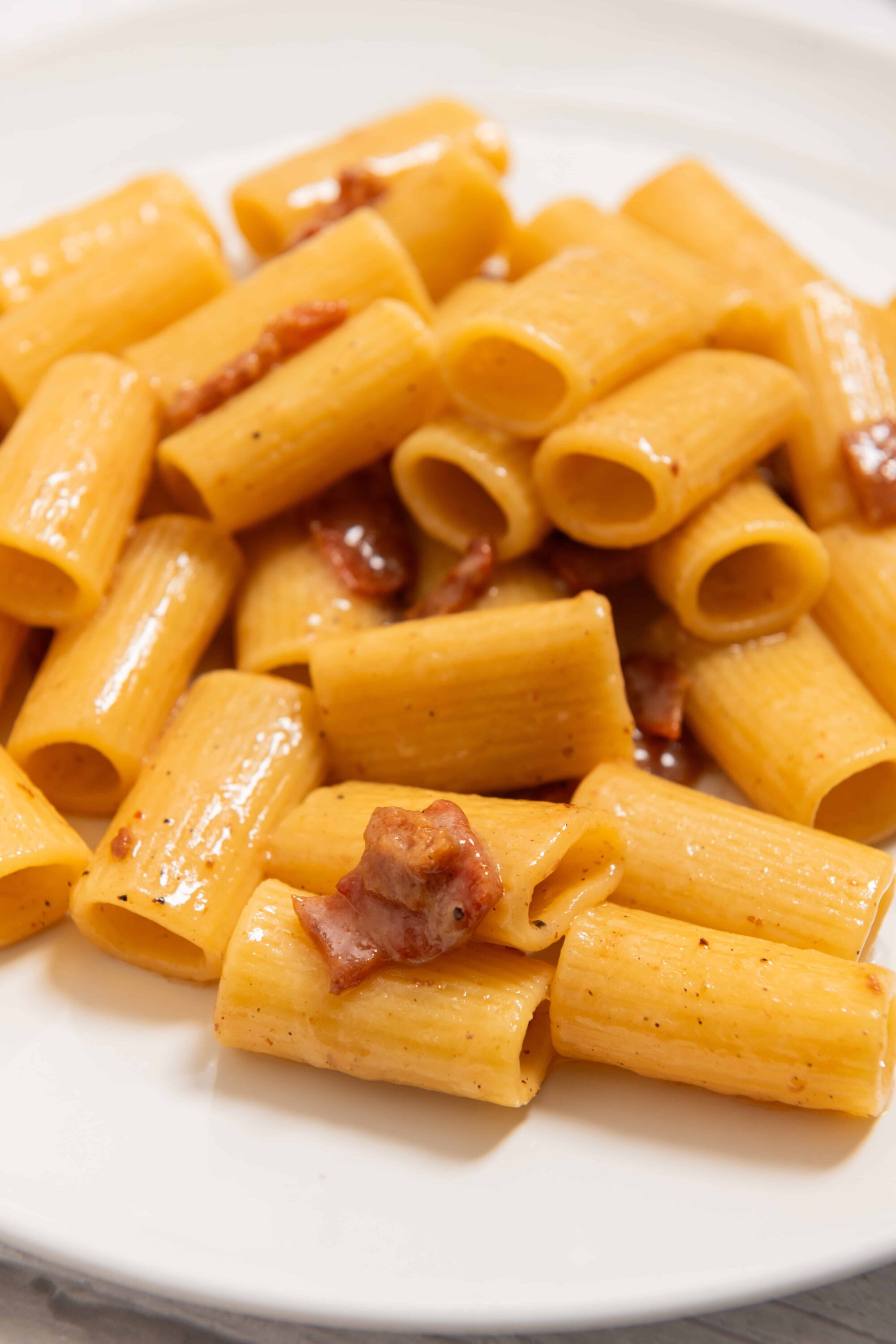
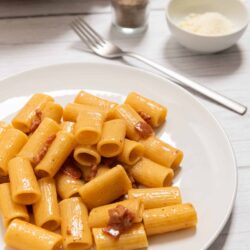
Pasta alla Gricia

Ingredients
- 8 ounces guanciale cut into 1/4-inch pieces
- 8 ounces rigatoni or similar pasta
- 1/4 cup finely grated pecorino romano cheese
- 1 teaspoon freshly ground black pepper
- Salt to taste
Instructions
- Begin by placing the guanciale in a large skillet over medium heat. Cook until it is golden and crispy, and the fat has rendered, about 10 minutes.
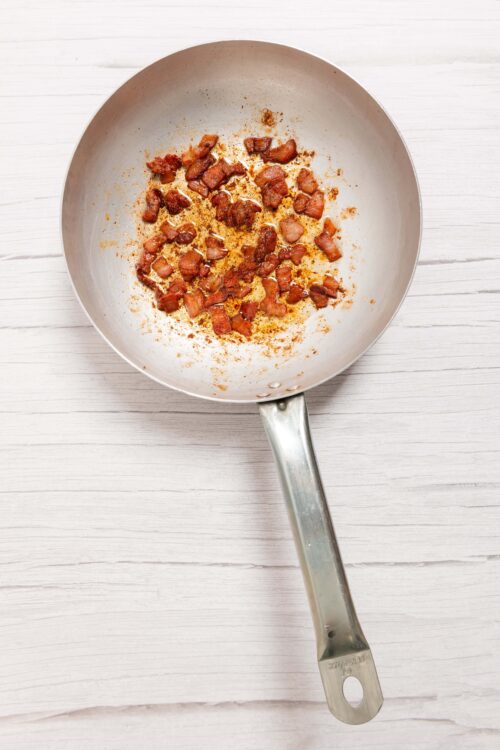
- While the guanciale cooks, bring a large pot of water to a boil. Add a pinch of salt and the pasta, cooking until al dente according to the package instructions.
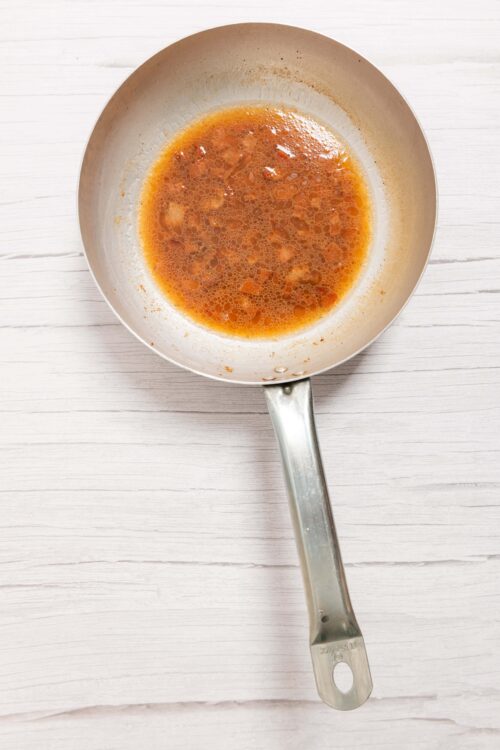
- Reserve 1 cup of the pasta cooking water, then drain the pasta.
- Add the freshly ground black pepper to the guanciale and stir to combine.
- Pour the reserved pasta water into the skillet with the guanciale, and bring to a simmer.
- Add the drained pasta to the skillet. Toss well to coat the pasta in the guanciale fat and allow the sauce to thicken slightly.
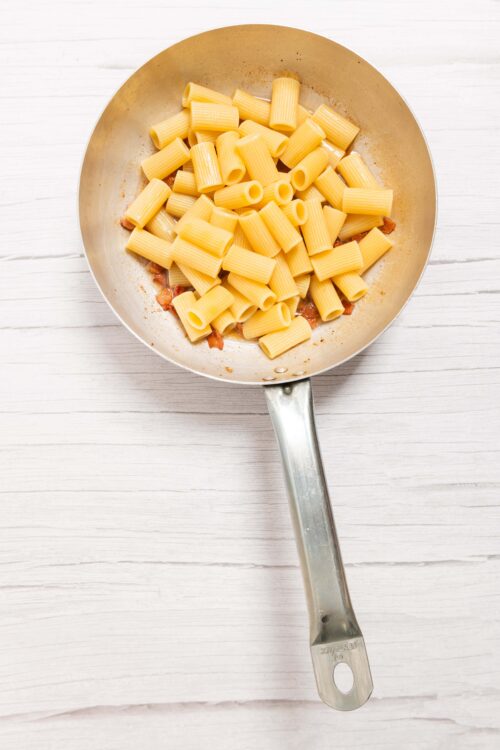
- Remove from heat and stir in the pecorino romano cheese until melted and the pasta is coated in a creamy sauce.
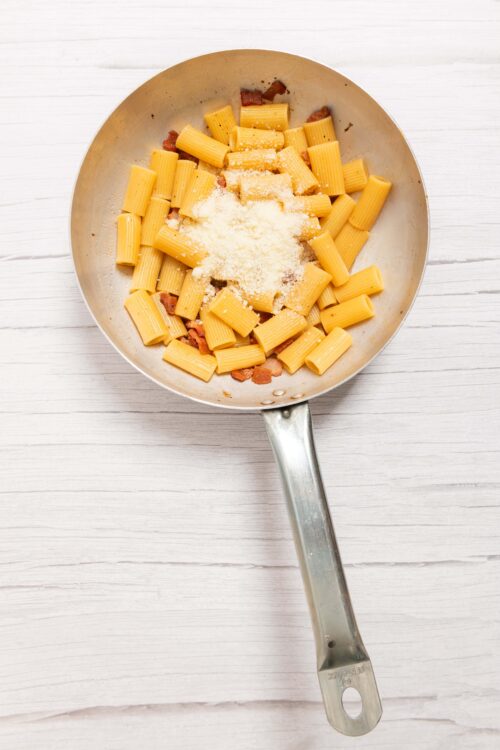
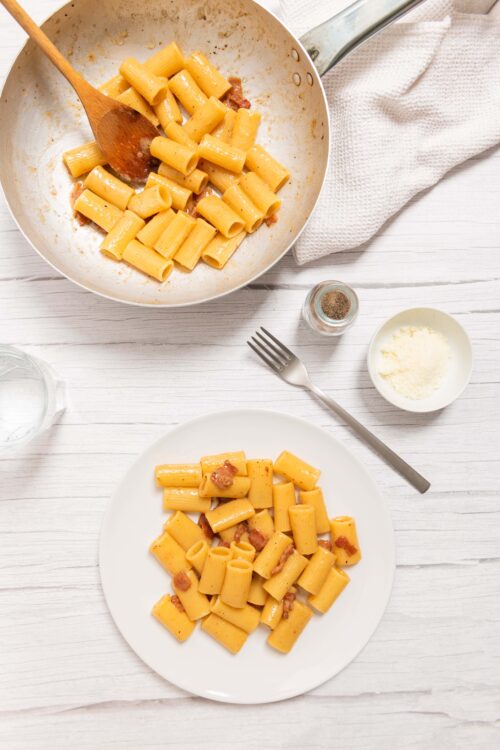
- Adjust seasoning with salt, if necessary, and serve immediately.

Leave a Comment