

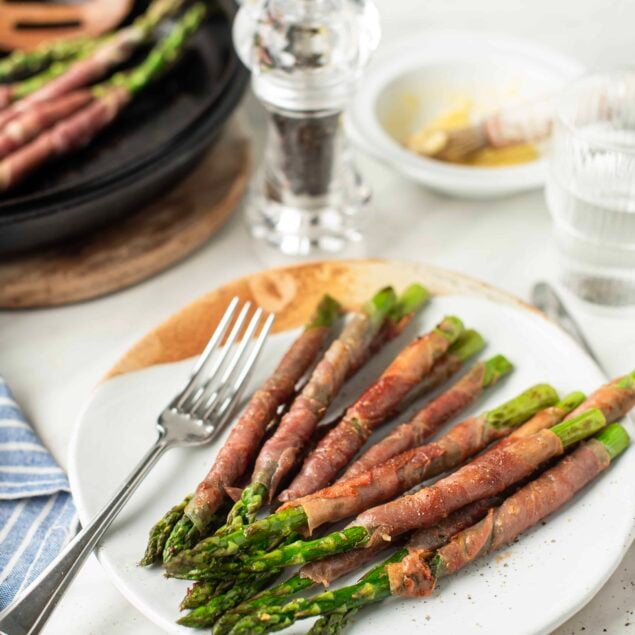
Stovetop Asparagus—tasty, tender, and perfectly seasoned.
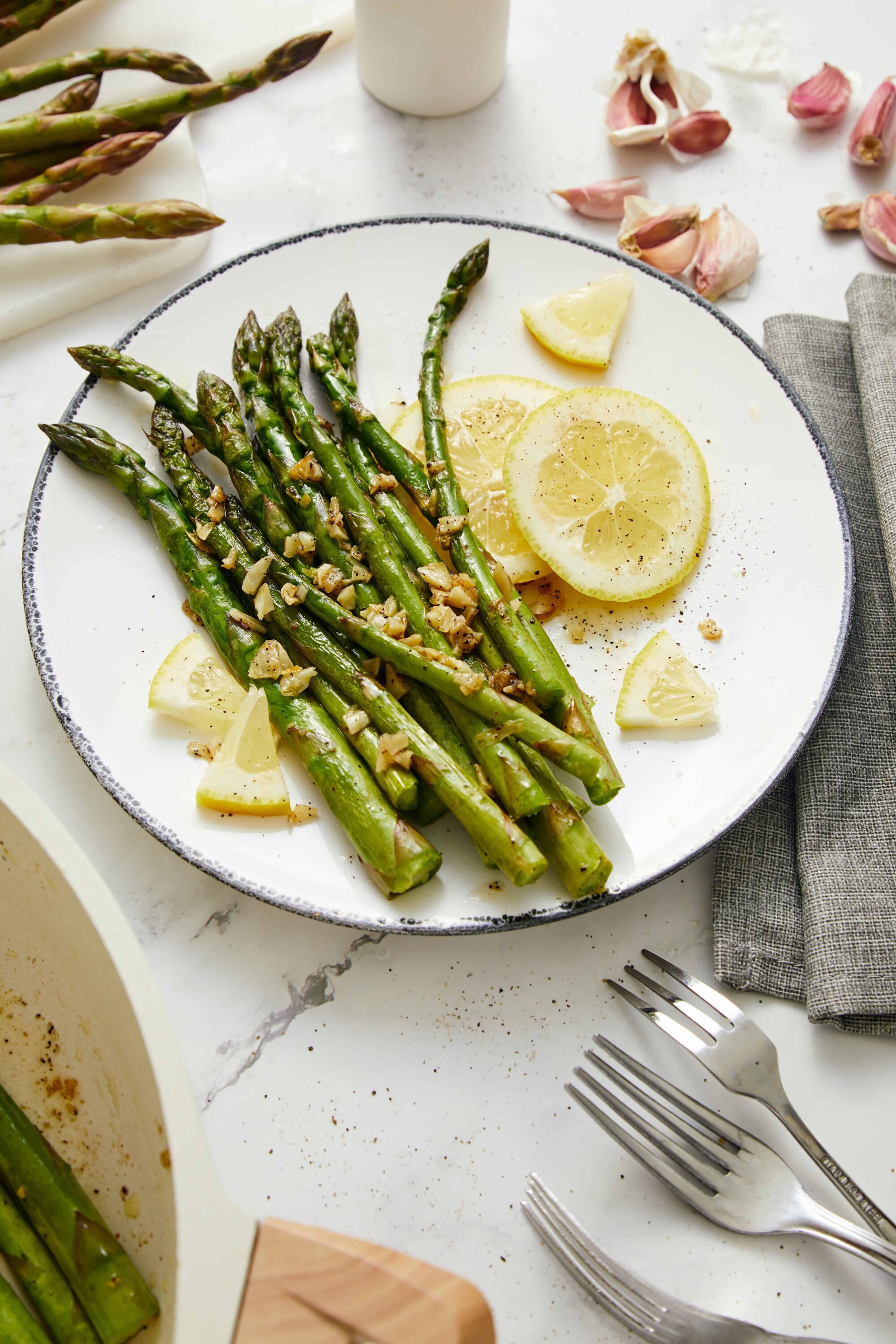
When I was a kid, it was difficult to get me to eat my vegetables. I would fight like crazy against broccoli, refuse to open my mouth for green beans, and try to feed the dog my carrots. It drove my parents crazy. I would make up any excuse not to eat anything green. I would complain that they “had no flavor” or protest that “they taste like grass.” My arguments contradicted each other but I would stand by them. But one summer, when I was staying with my grandparents, my grandmother wouldn’t take no for an answer. She knew I liked meats seasoned with garlic and so, gave me garlic-seasoned asparagus. She insisted I just had to try it and then she’d let me leave the table. I did, and I’ve been an asparagus fan ever since. While asparagus may not be everyone’s cup of tea, when seasoned well and cooked properly, there are few veggies better.
There are several common mistakes people make when preparing asparagus. Some people overcook their asparagus until it becomes overly soft and stringy, a texture that is wholly unappealing. Some people undercook their asparagus and leave it too firm and stringy, an equally unappealing case. There are also those who try and do too much, adding every spice known to Man, making the asparagus itself take a back seat to everything else. This quick and easy stovetop asparagus recipe will help you perfectly season and cook your asparagus so that it’s a side that even the pickiest eater will be able to enjoy for dinner, a barbecue, a picnic, or any other occasion. It’s also a vegetable side dish that can be made vegan by substituting your butter with olive oil.
What color asparagus should I use?
While most people only think of green asparagus, there are actually different color variations. You may have seen white or purple asparagus at the grocery store or farmer’s market. White asparagus is milder in flavor and a little bitter, while purple asparagus has more sugar in its stalk causing its change in color and making for a nuttier and sweeter flavor. The green asparagus has a heartier plant flavor to it making it complement the salt, pepper, and garlic of this recipe more. The interiors of each variety of asparagus are similar in texture while the outer skin of each varies in thickness and thus requires different cooking methods. While you may feel the urge to trade out your asparagus to spice things up, I recommend sticking with green for this recipe. If you do change it up, be sure to change the cooking times.
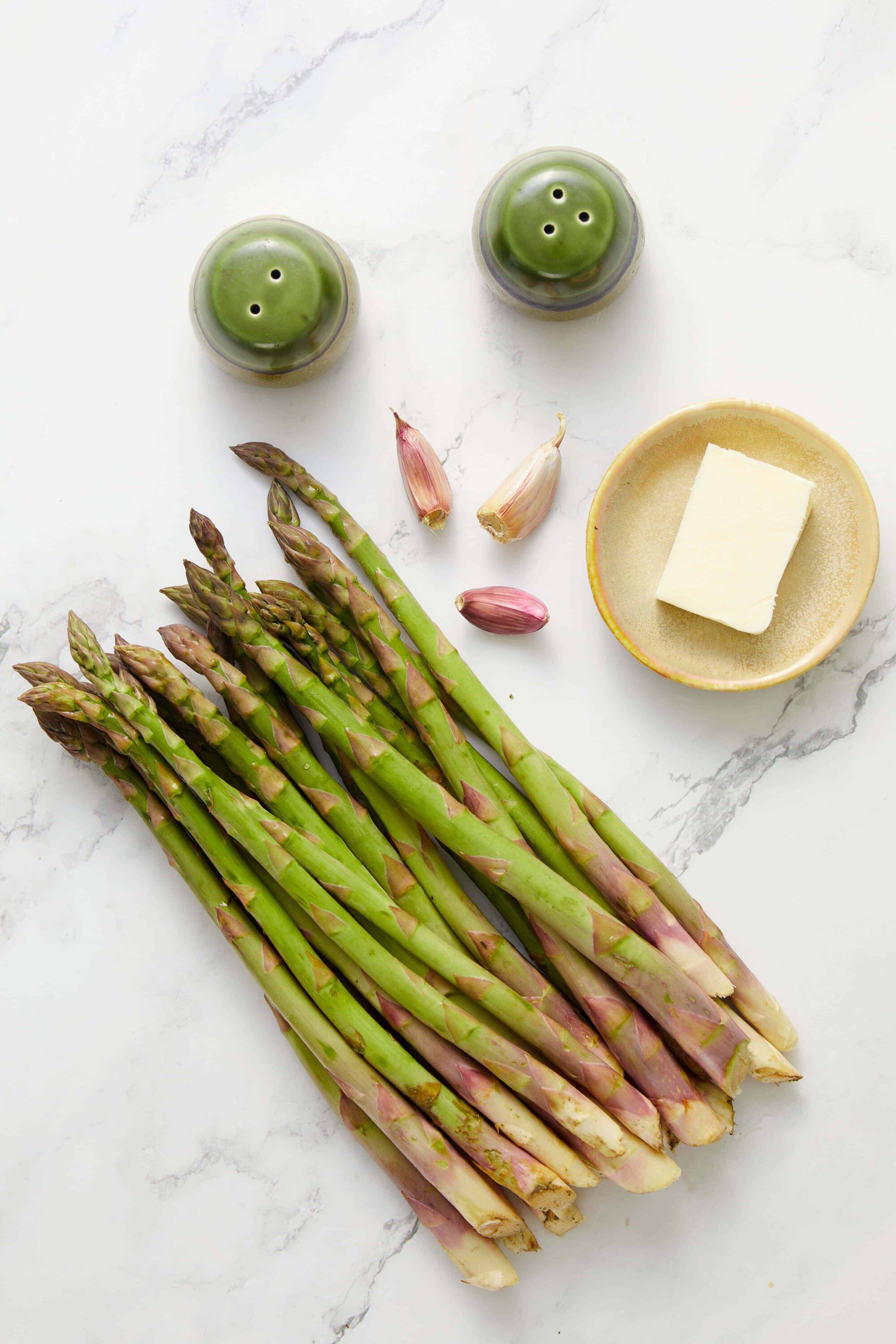
How do I know my asparagus is good for this recipe?
The key to finding perfect asparagus while shopping is picking up on some key traits. Make sure your asparagus is crisp and plump; you don’t want overly thin or soft asparagus because they won’t cook properly. You also want to make sure the tips of the asparagus are tightly closed; if they’re opening, the asparagus is beginning to go bad. Finally, your asparagus should be bright in color; if the color is too light, the asparagus isn’t quite ripe yet and won’t have a good flavor.
Serving Suggestions
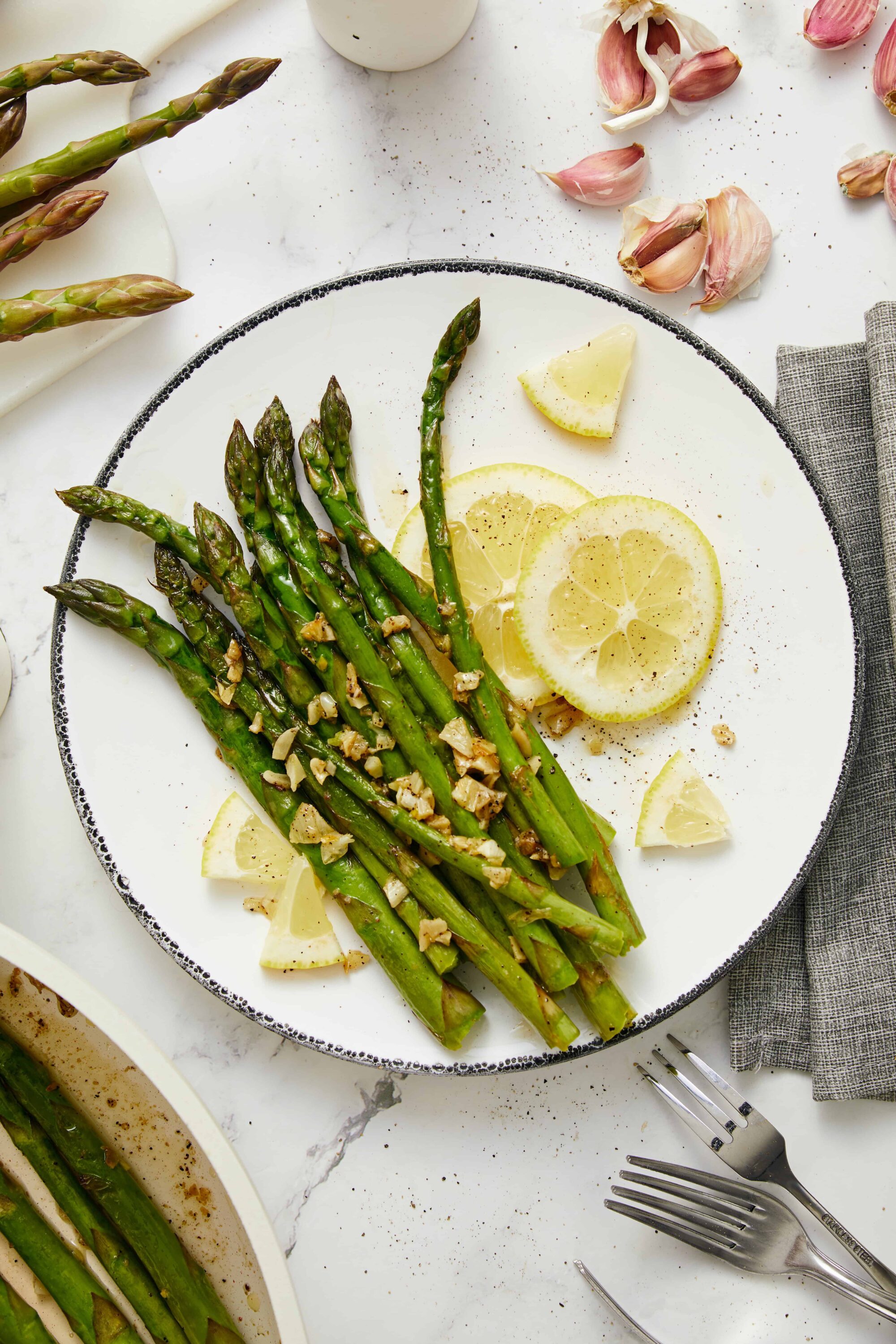
This stovetop asparagus is delicious and versatile enough to work perfectly as a side dish for many foods. I find that asparagus pairs really well with Italian dishes, such as Penne Alla Vodka with Grilled Chicken, Delicious Spinach and Ricotta Stuffed Shells, or with protein entrees like chicken or fish. Try using this recipe as a side dish with Buffalo Stuffed Chicken Breast or Grilled Tilapia Recipe with Pineapple Mango Salsa.
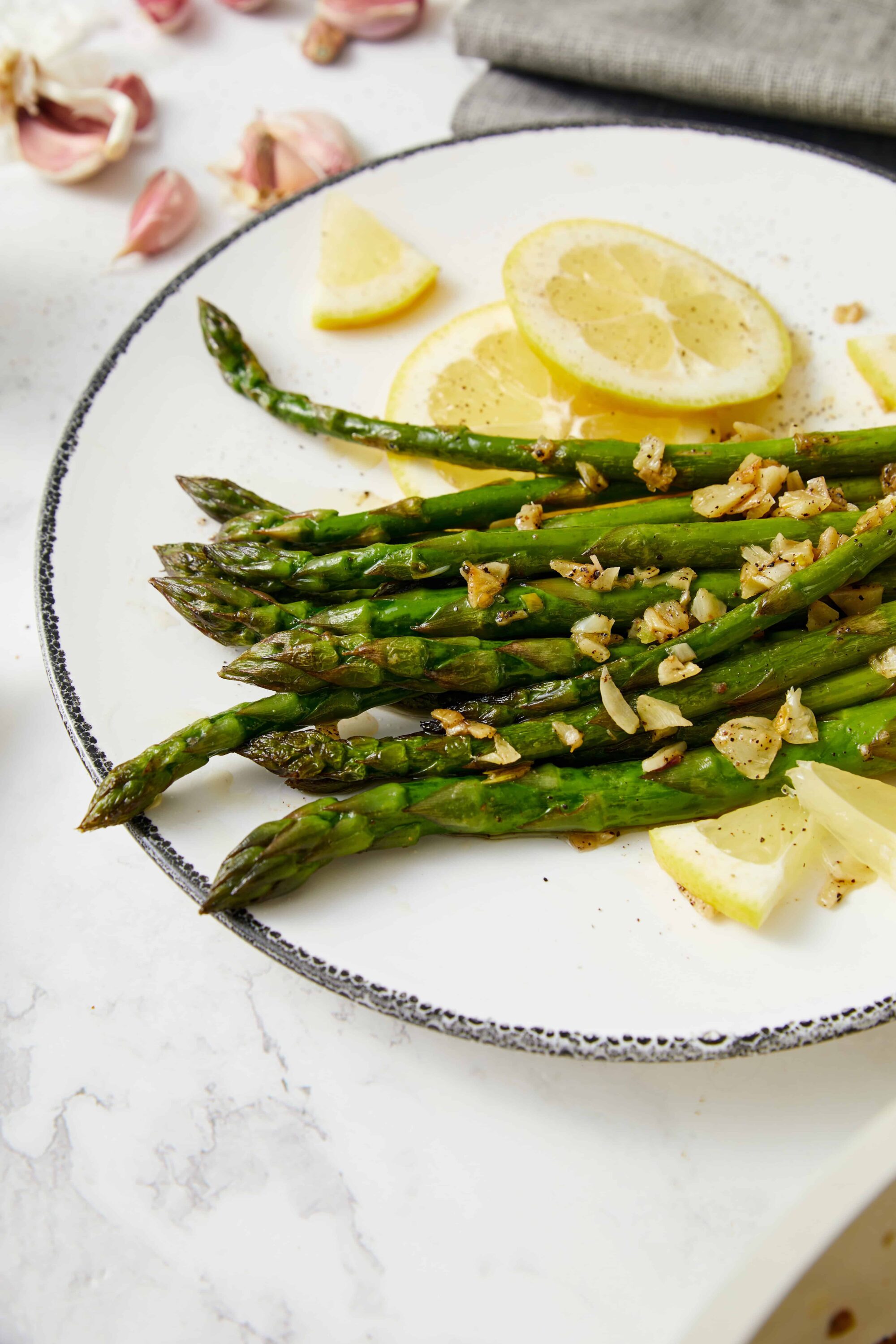

Stovetop Asparagus

Ingredients
- 1 pound fresh asparagus
- 1-2 tablespoons unsalted butter or olive oil
- 2-3 cloves garlic minced
- Salt to taste
- Pepper to taste
Instructions
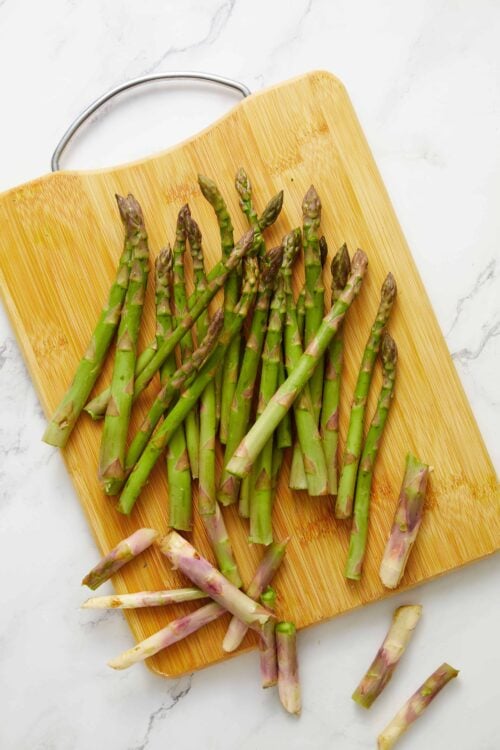
- Rinse the asparagus and trim off the tough bottom ends, about 1-2 inches.
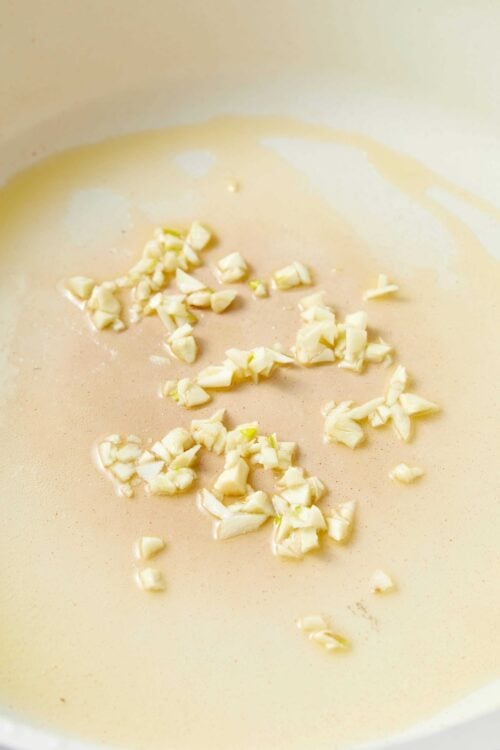
- Heat the butter or olive oil in a large skillet over medium heat.
- Add the minced garlic to the skillet and stir quickly to avoid burning.
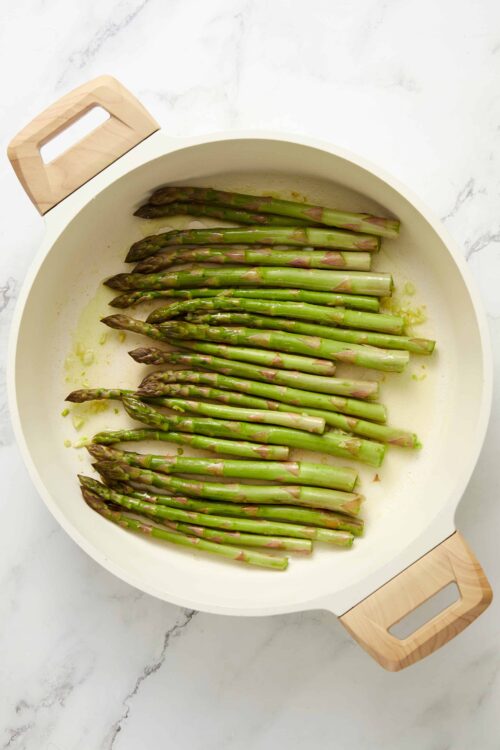
- Place the asparagus in the skillet in a single layer. Cook, stirring occasionally, until the asparagus is tender yet still crisp, about 5-7 minutes.
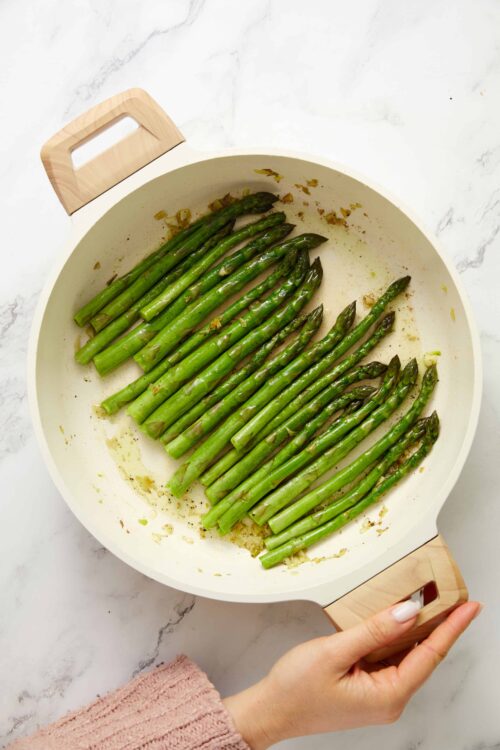
- Season with salt and pepper to taste, then serve immediately.


Leave a Comment